Ausrufzeit : ca. 17:16 (Zeitplan ohne Gewähr)
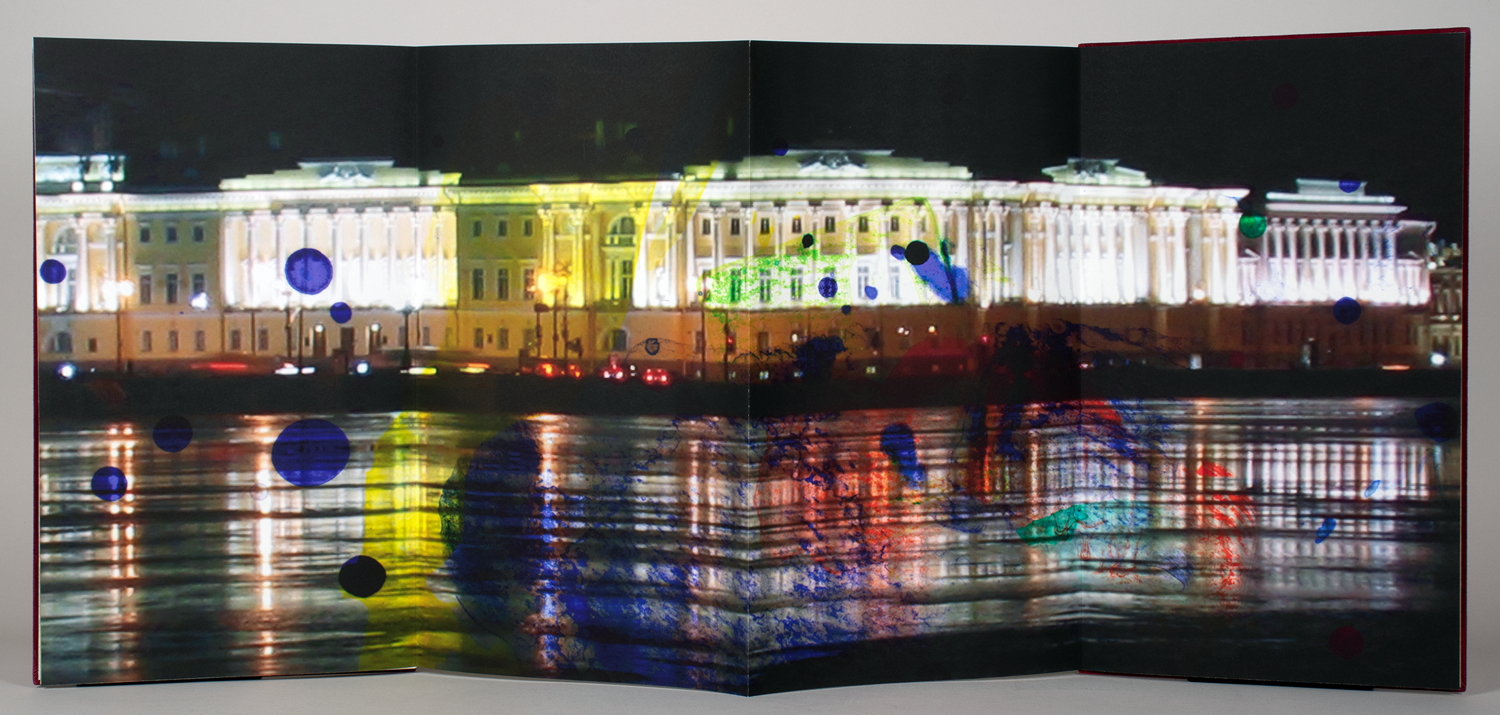
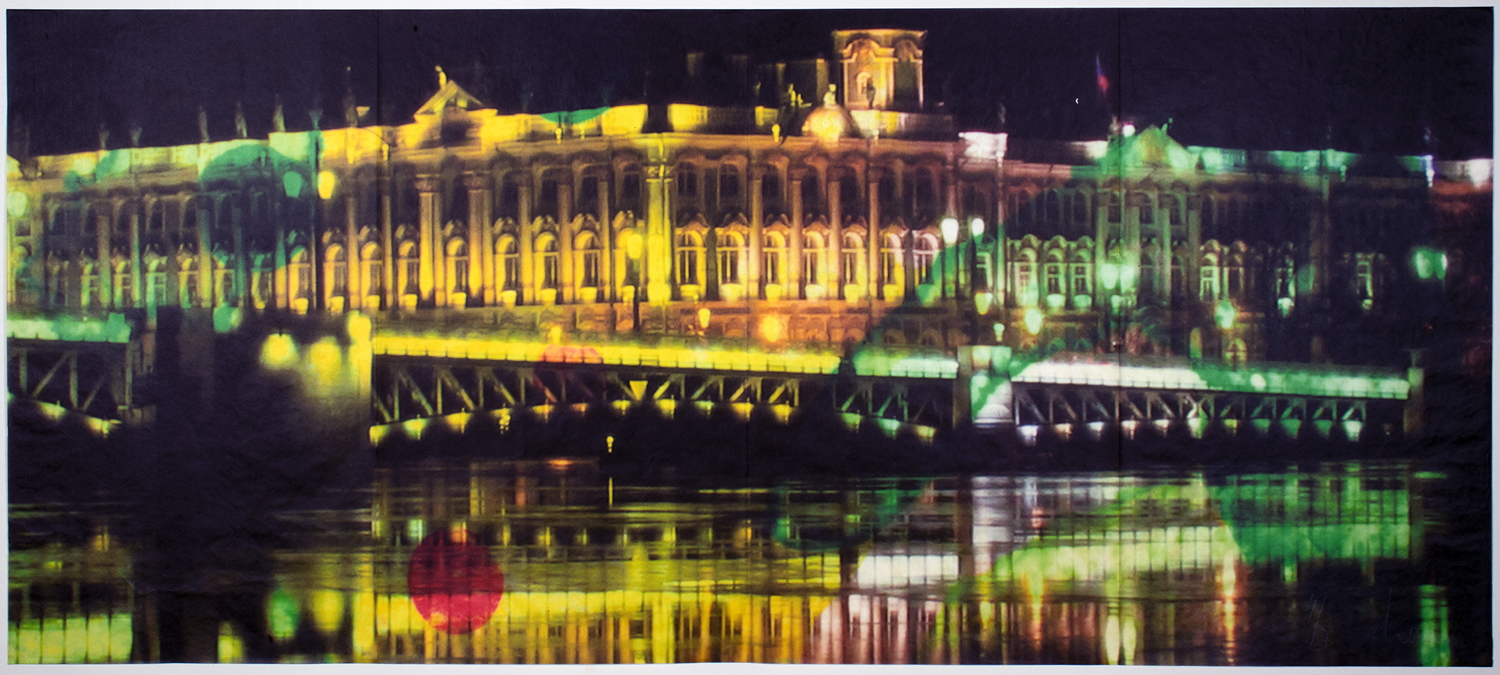
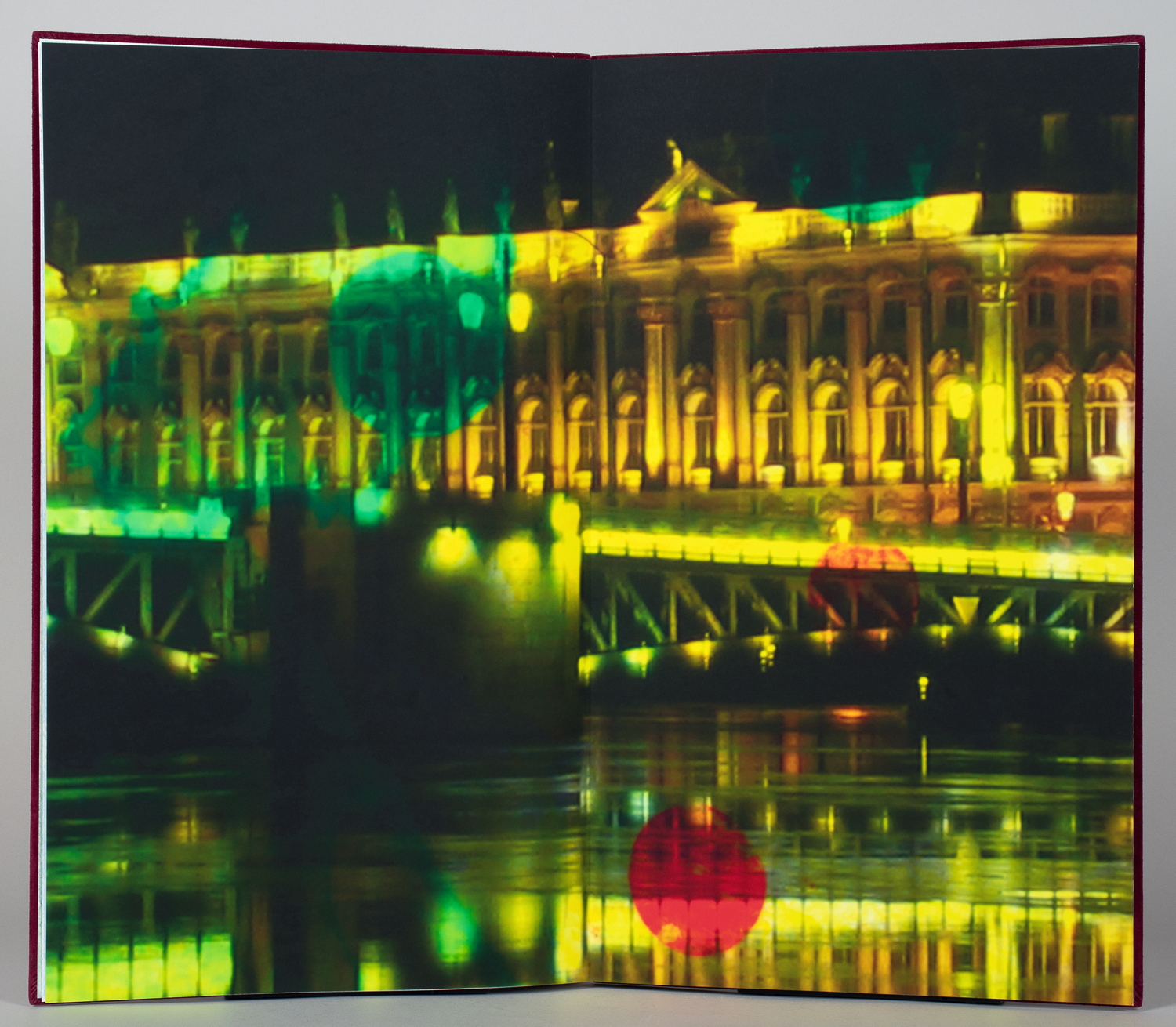
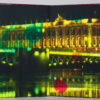
Edition Kaldewey 50. – Eins von sieben Exemplaren der »Edition deluxe« im Wildledereinband und mit einer Extrasuite der Drucke auf Gampi Papier, beide signiert und nummeriert (Gesamtauflage 32). – Auf Epson Photo Rag Papier als Leporello gedruckt und gebunden. – Der Text in kyrillischer Schrift, beigelegt zwei Seiten mit englischer Übersetzung der Gedichte. – Osip Mandelstam schrieb diese beiden Gedichte in den Jahren 1920 und 1930. Im zweiten Gedicht betrauert er den Verlust des alten St. Petersburg, das 1924 in Leningrad umbenannt worden war. Die großformatigen Panoramabilder – darunter eines mit dem ehemaligen Winterpalast, dem Gebäude der Eremitage – erstrecken sich jeweils über vier Seiten. Über diese nächtlichen Bilder gelegt sind vergrößerte Ausschnitte aus Kaldeweys Aquarellen.
Von Lucius, S. 301
43,0 : 25,5 cm. [14] Seiten, 2 Inkjet-Drucke. – Chemisenrücken verfärbt. – Suitenumschlag etwas stockfleckig.
english description:
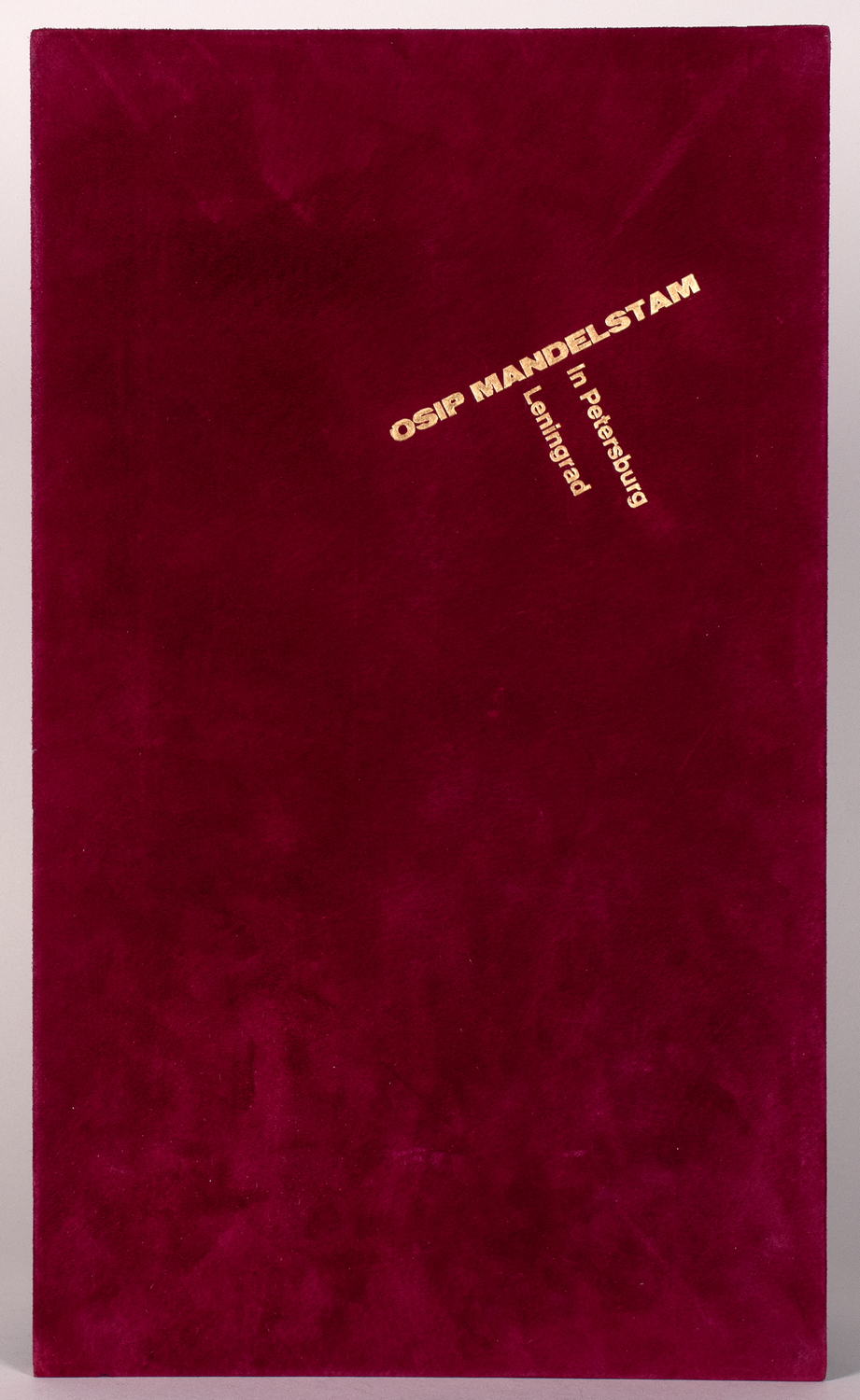
With two inkjet prints based on photographs by Gunnar Kaldewey, wine-red original buckskin binding with silver embossing (Thomas Zwang, Hamburg). In a chemise and slipcase (Judi Conant, Guildhall).
Kaldewey Edition 50. – One of seven copies of the “Deluxe Edition” in buckskin binding and featuring an additional set of prints on Gampi paper, both signed and numbered (total print run of 32). – Printed and bound as a leporello on Epson “Photo Rag” paper. – The text is printed in Cyrillic script; included are two pages with English translations of the poems. – »Osip Mandelstam wrote these two poems in 1920 and 1930. The city’s name had been changed from St. Petersburg to Petrograd (in 1914), and then to Leningrad (in 1924). The second poem mourns the loss of his old city, St. Petersburg. The large panoramic views – including one with the former Winter Palace building of the Hermitage – extend over four pages each. Laid over these nighttime images are enlarged details of Kaldewey’s watercolors. The cover of the regular edition calls to mind the aesthetic of simple notebooks. The typography on the cover recalls Russian constructivist classics such as the works of El Lissitzky. The Russian text is printed in ink-jet, as are the watercolors of the background.« (75 artist books, p. 301).
Spine of chemise discolored. The cover of the suite slightly foxed.