Ausrufzeit : ca. 15:02 (Zeitplan ohne Gewähr)
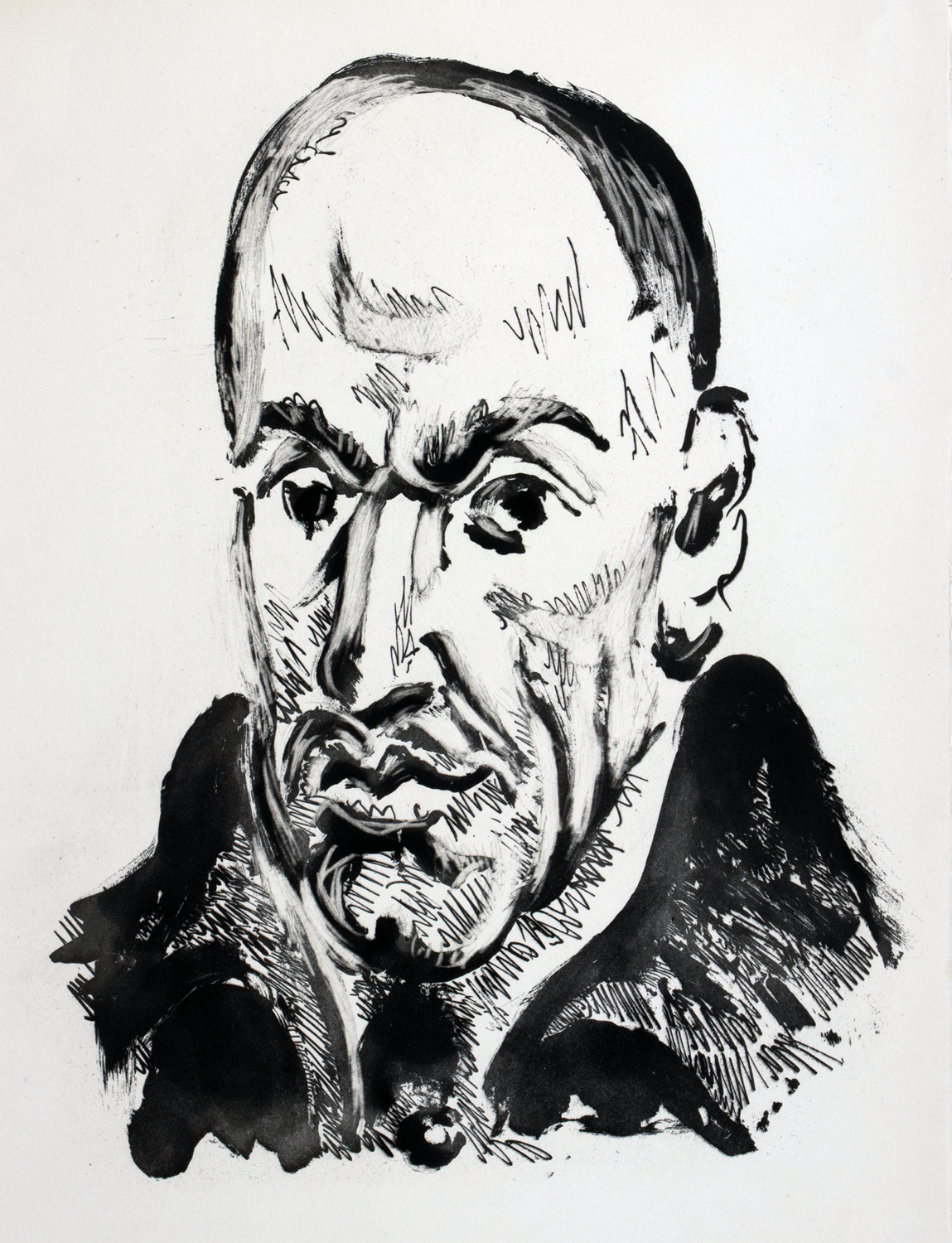
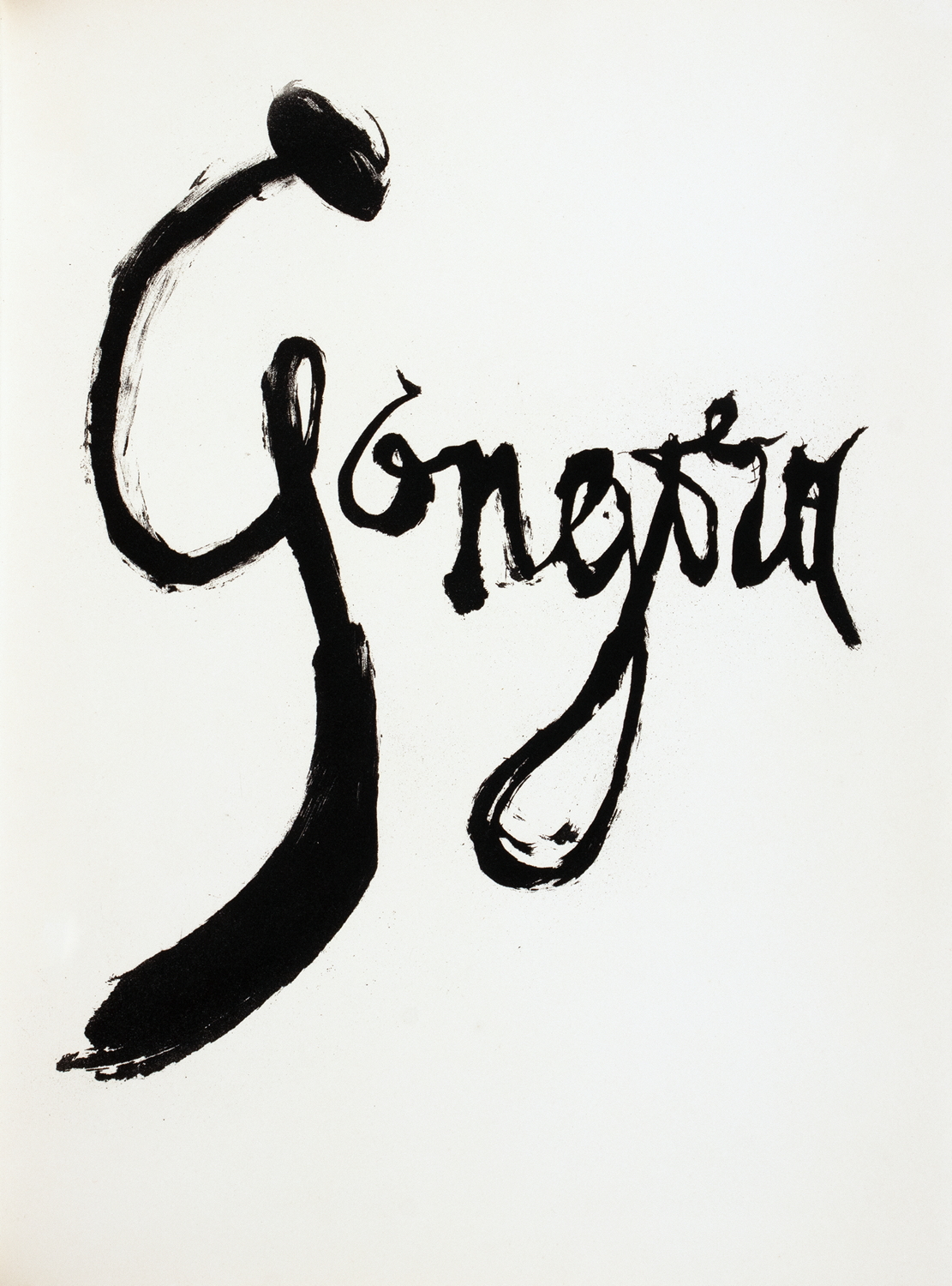
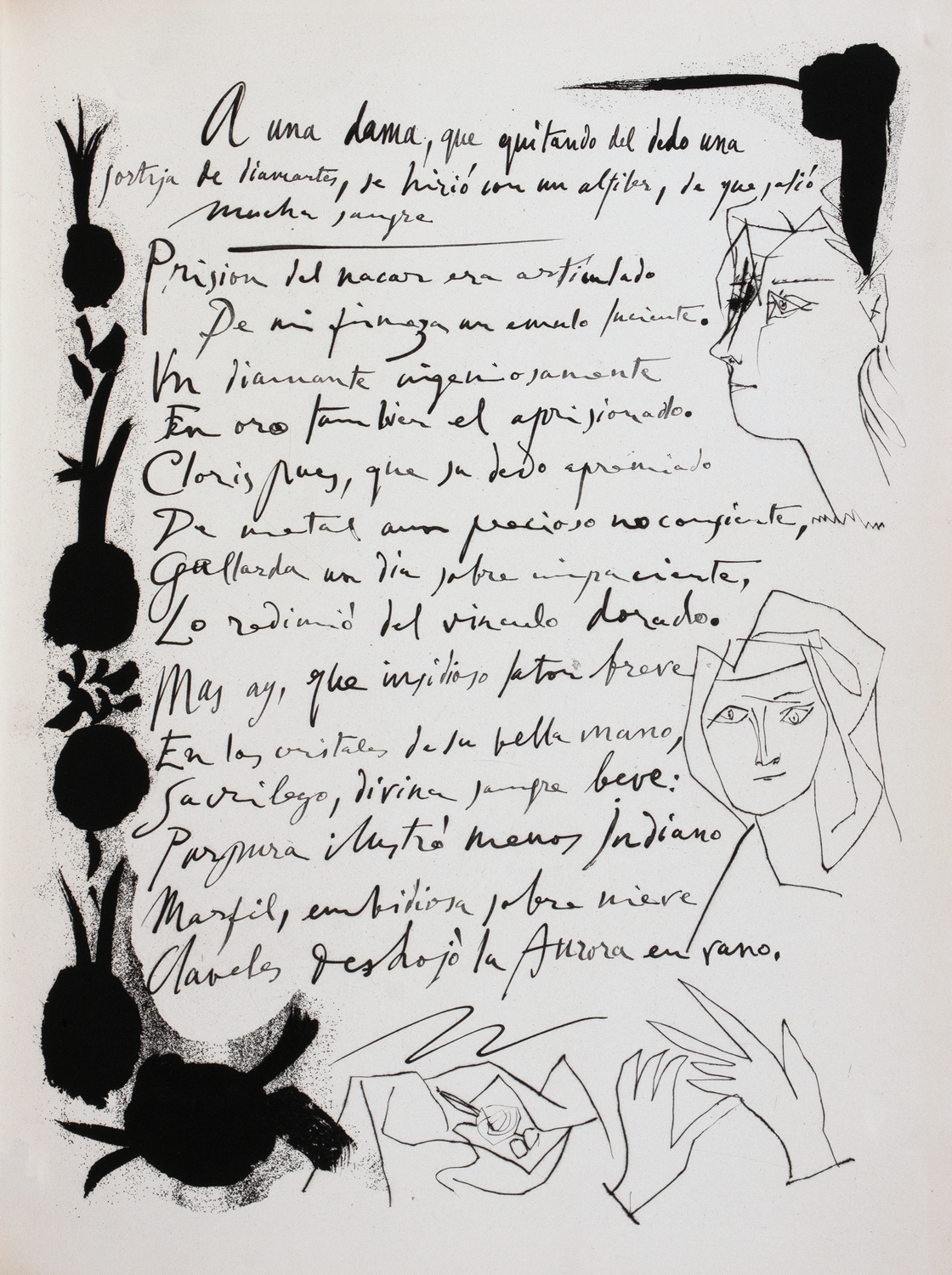
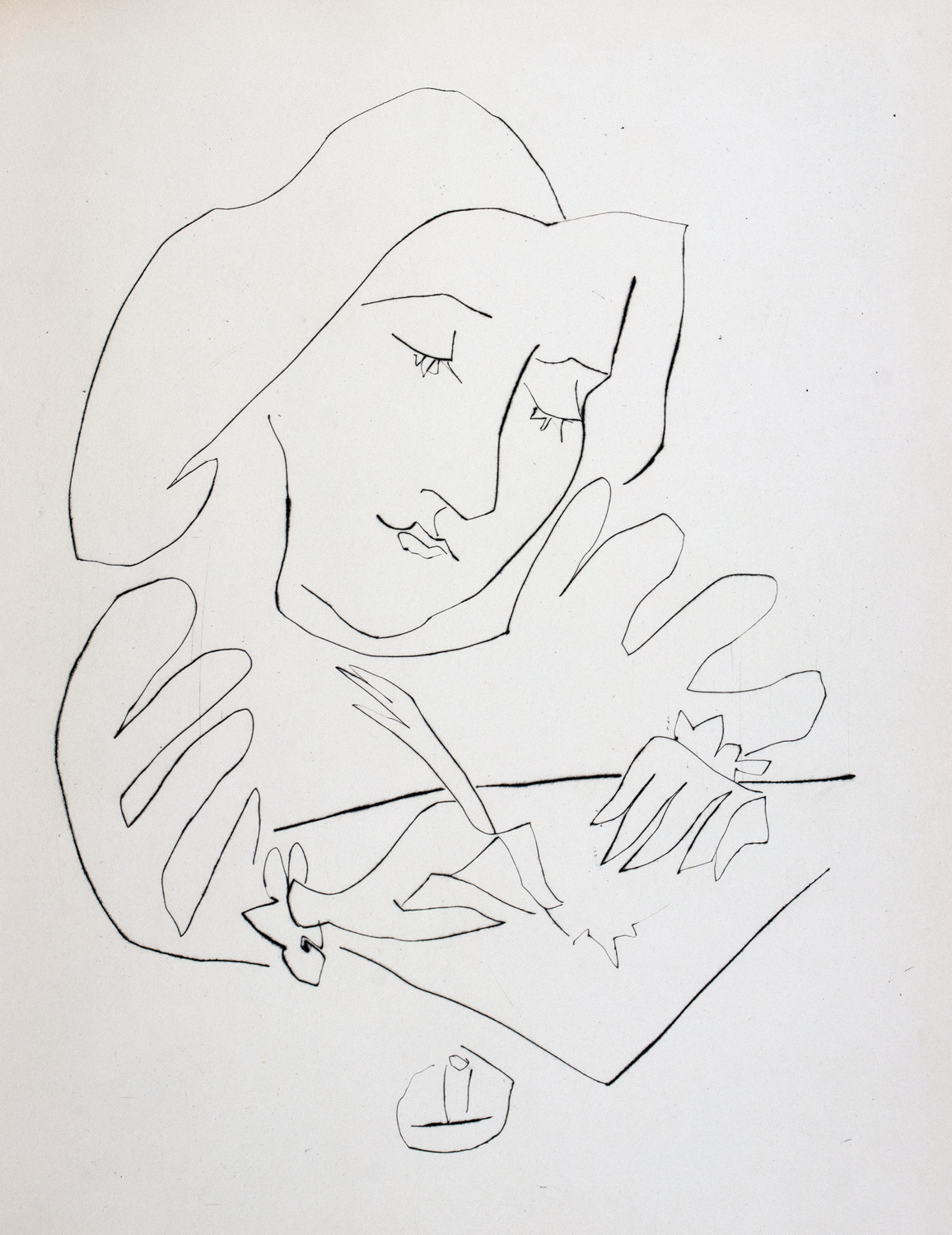
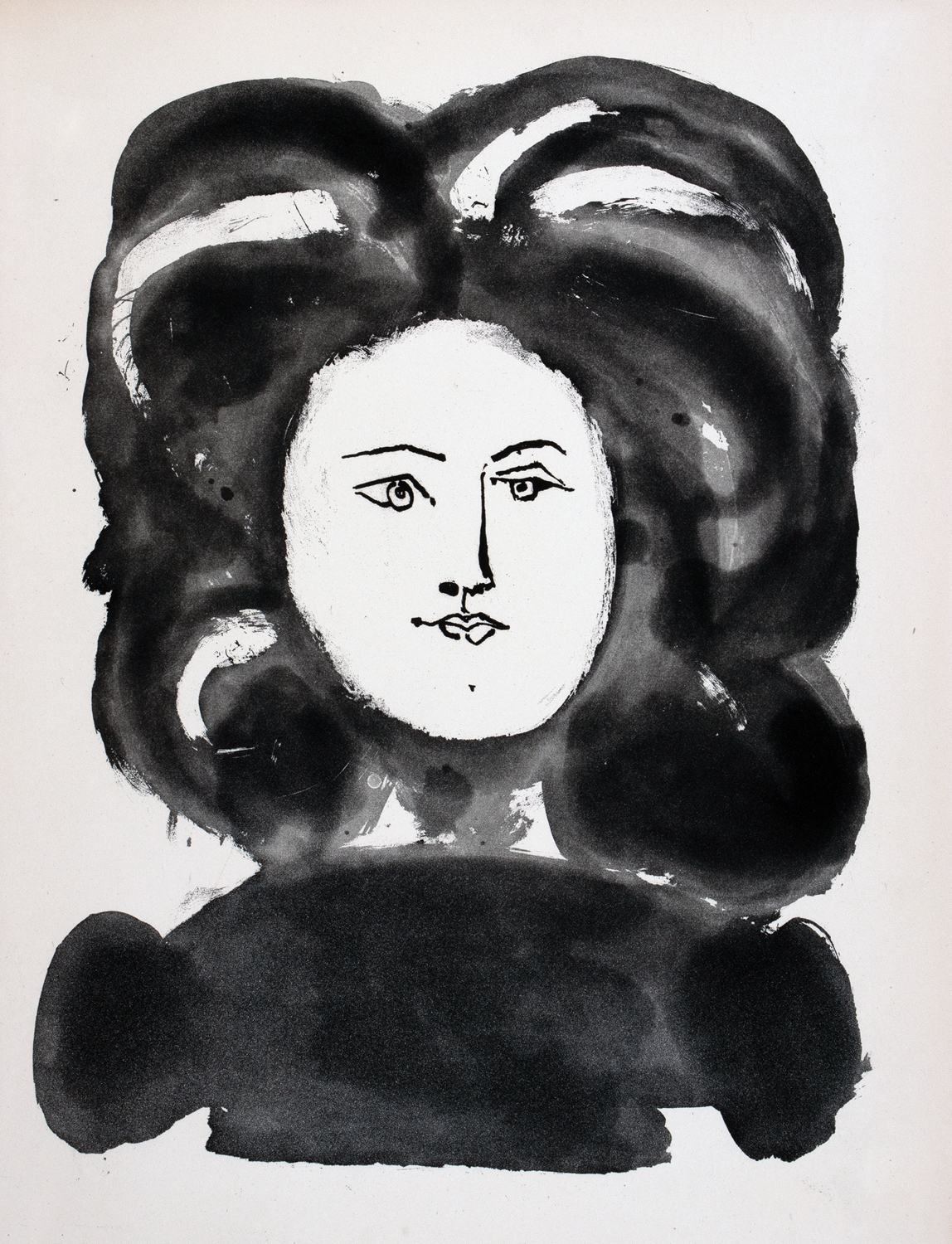
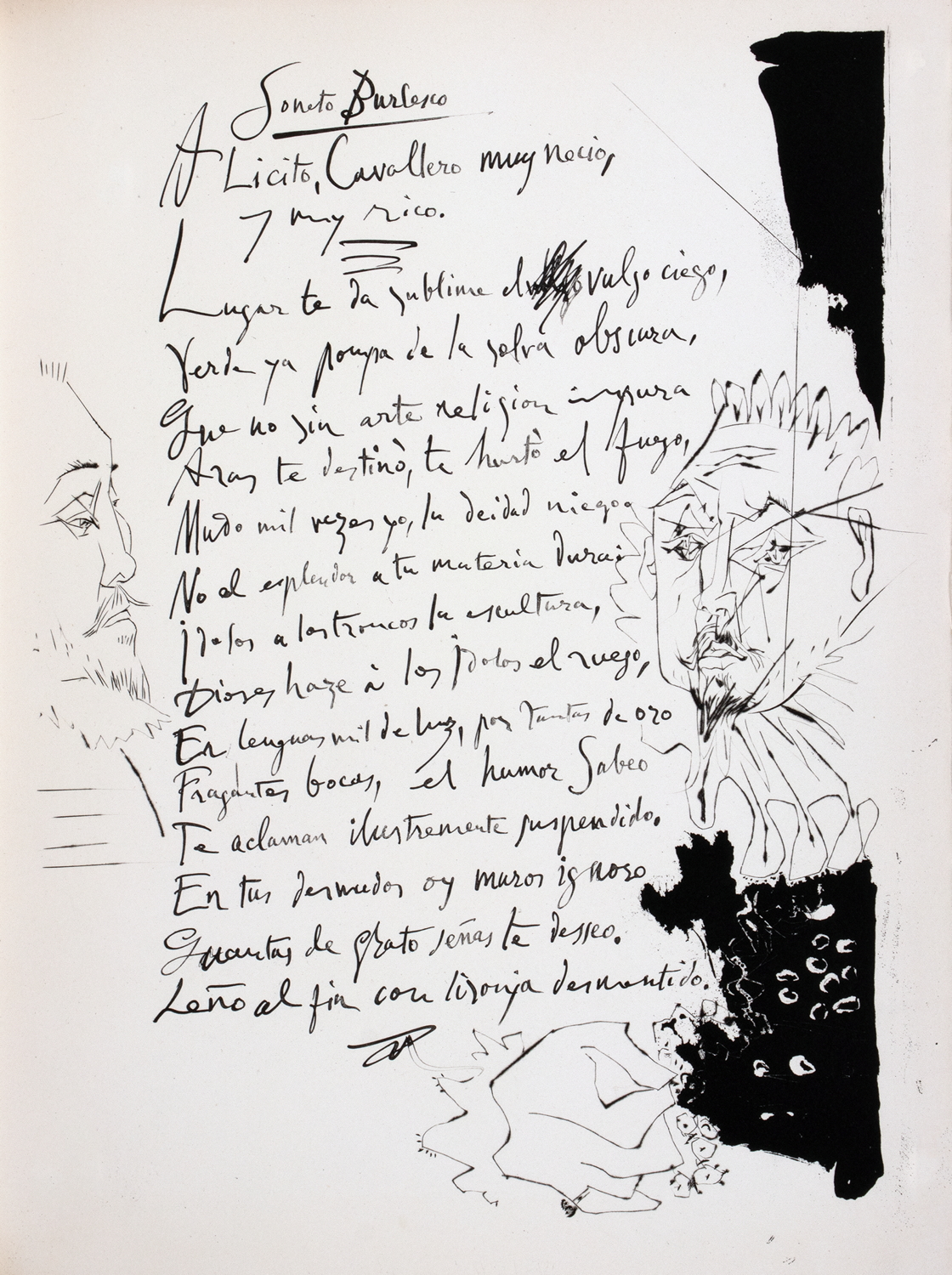
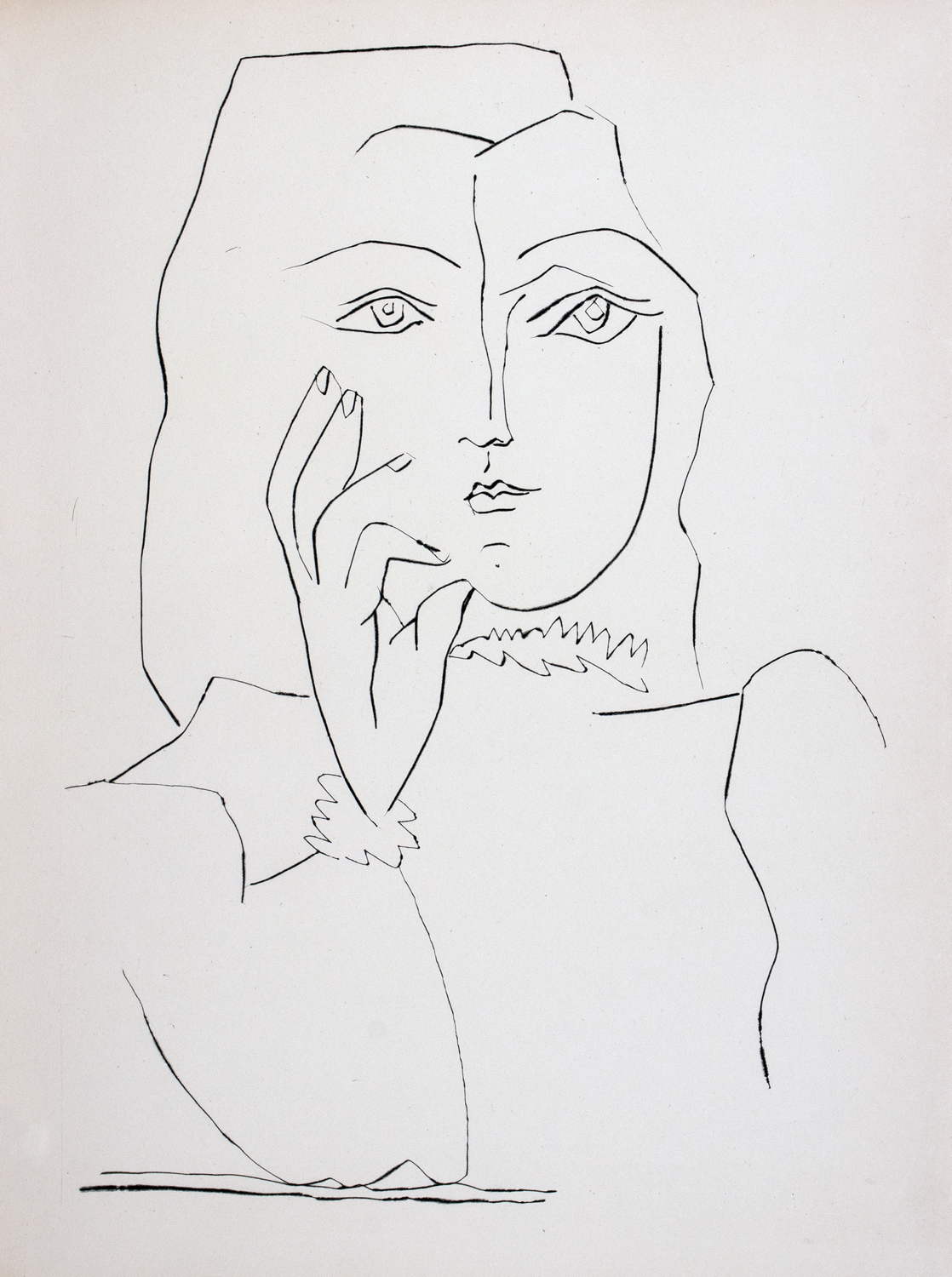
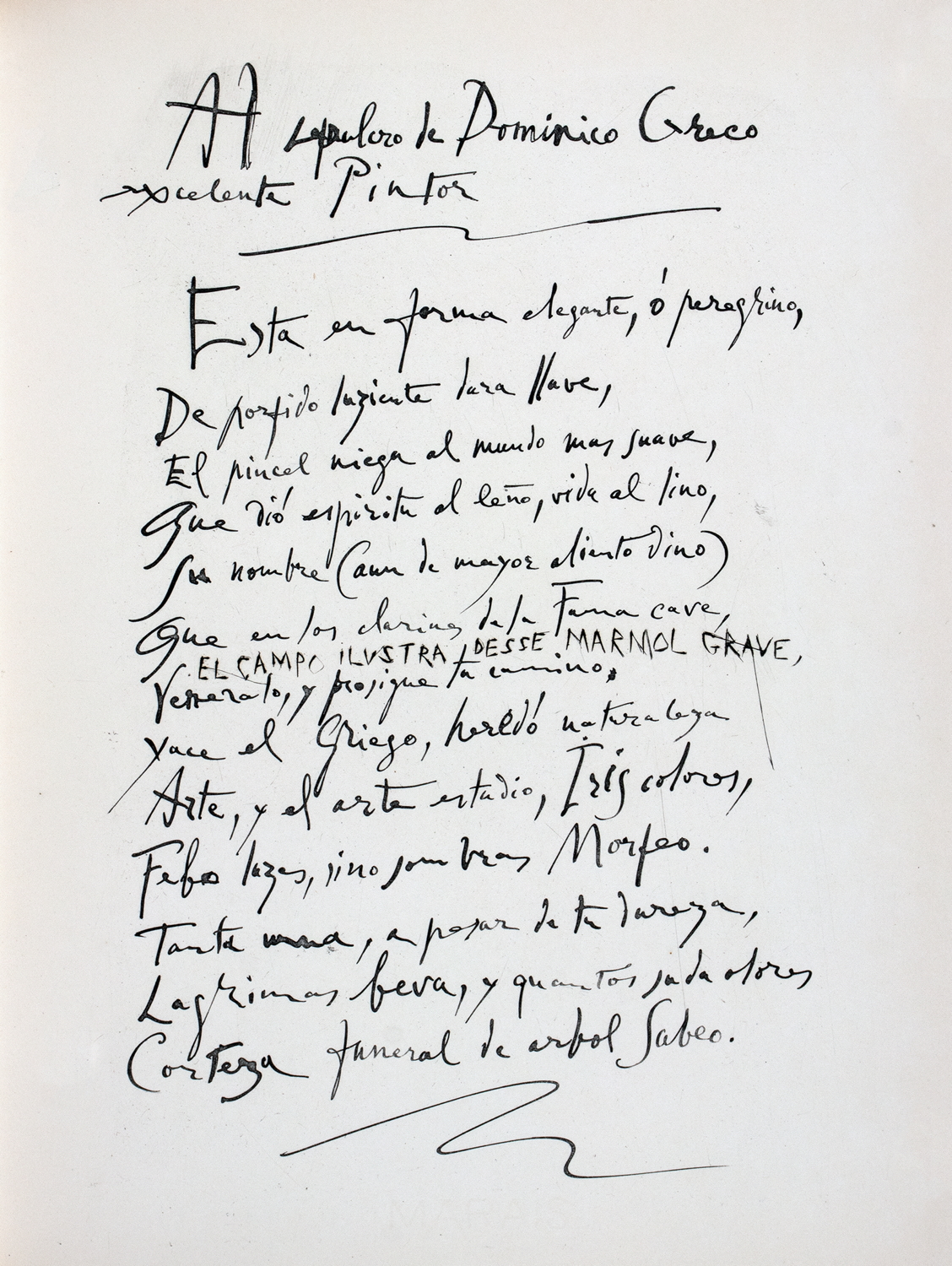
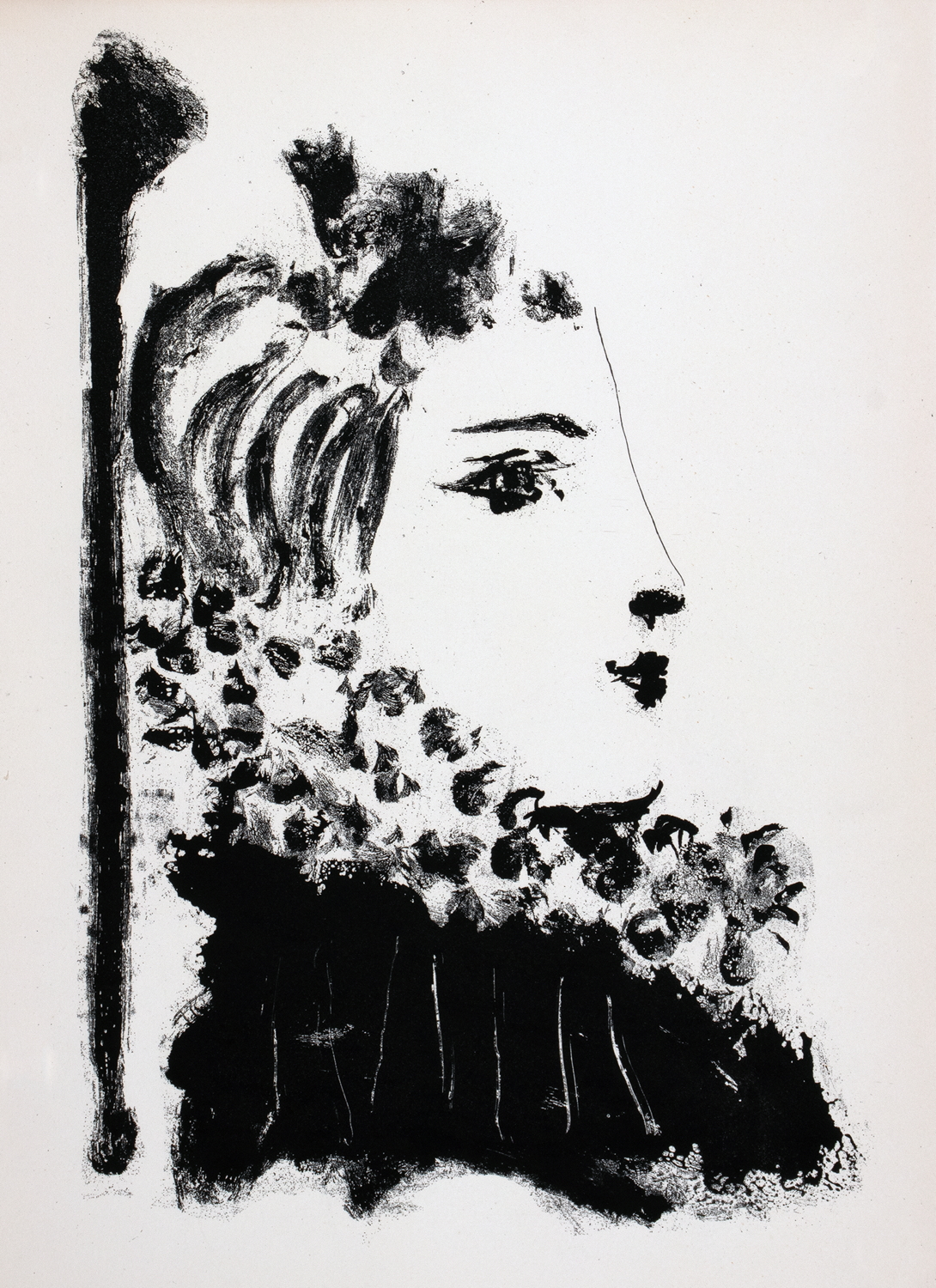
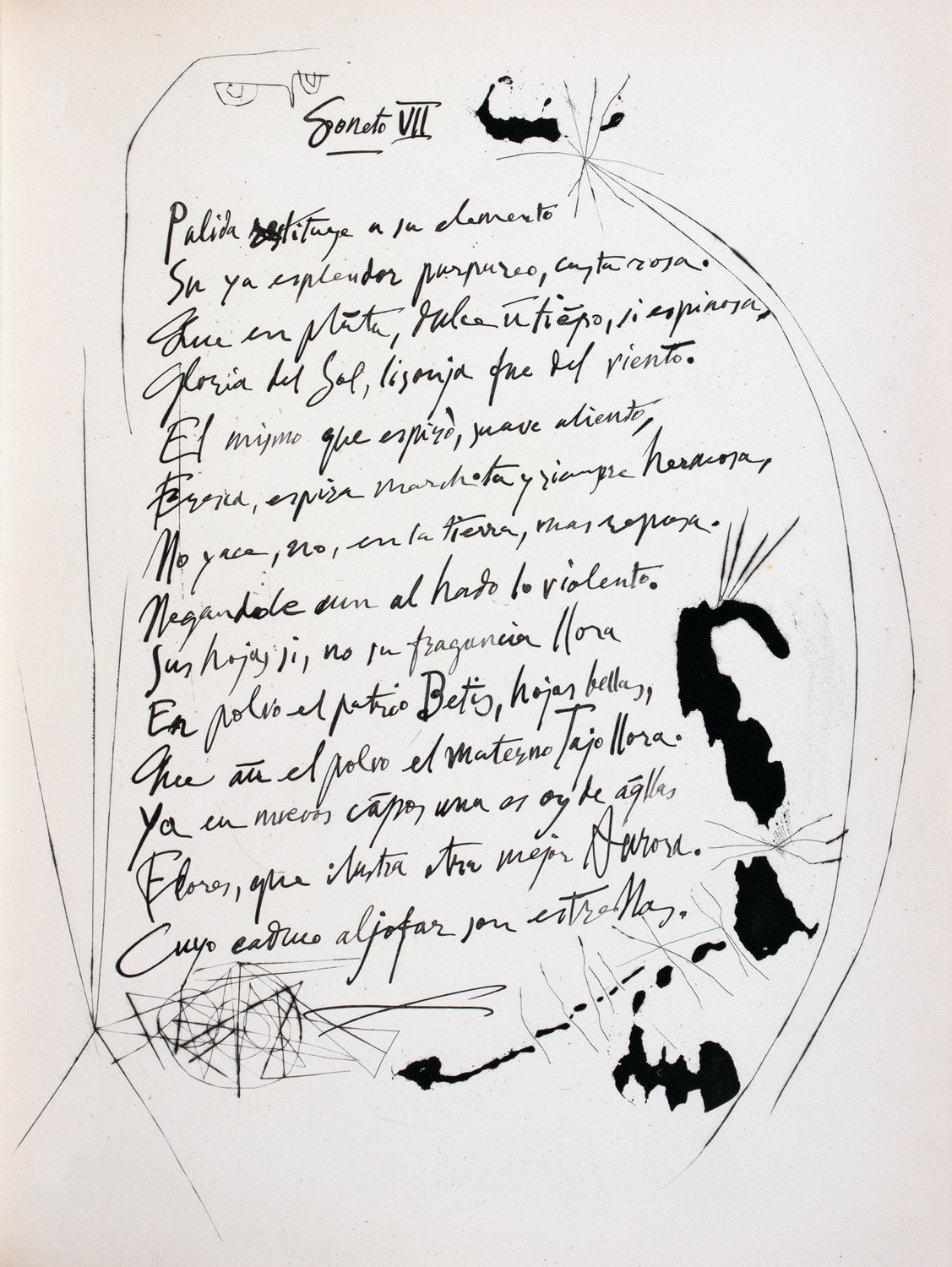
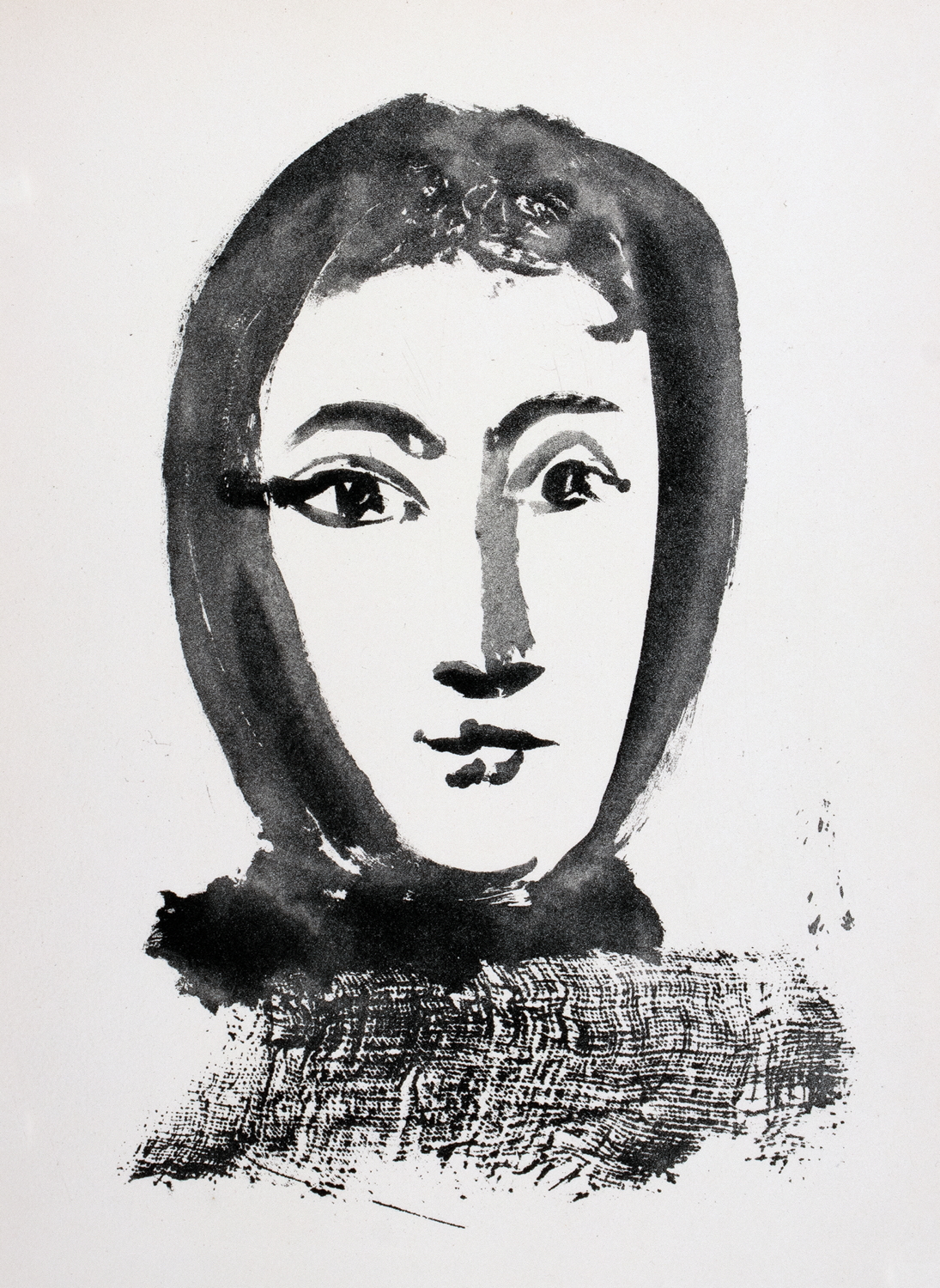
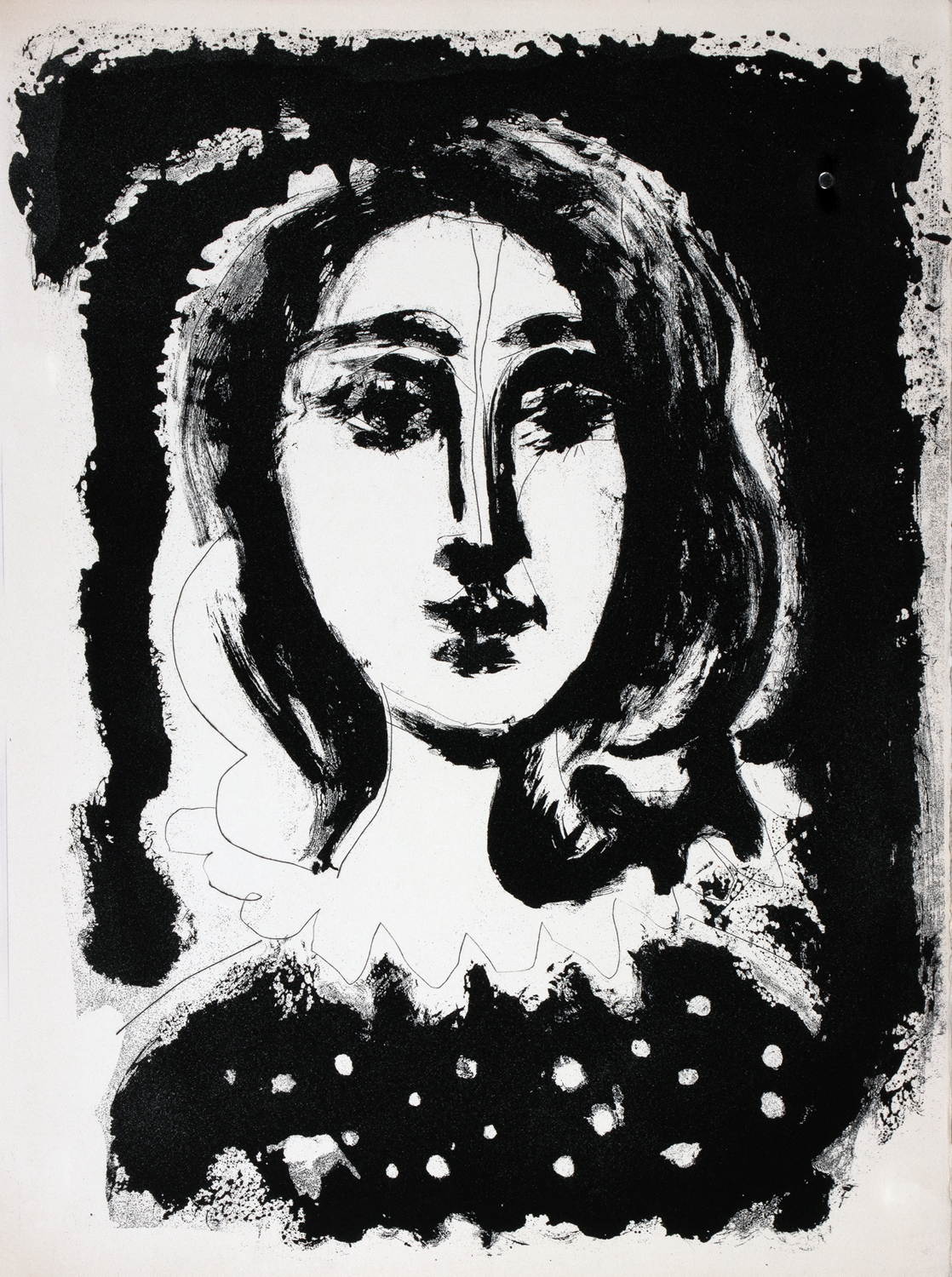
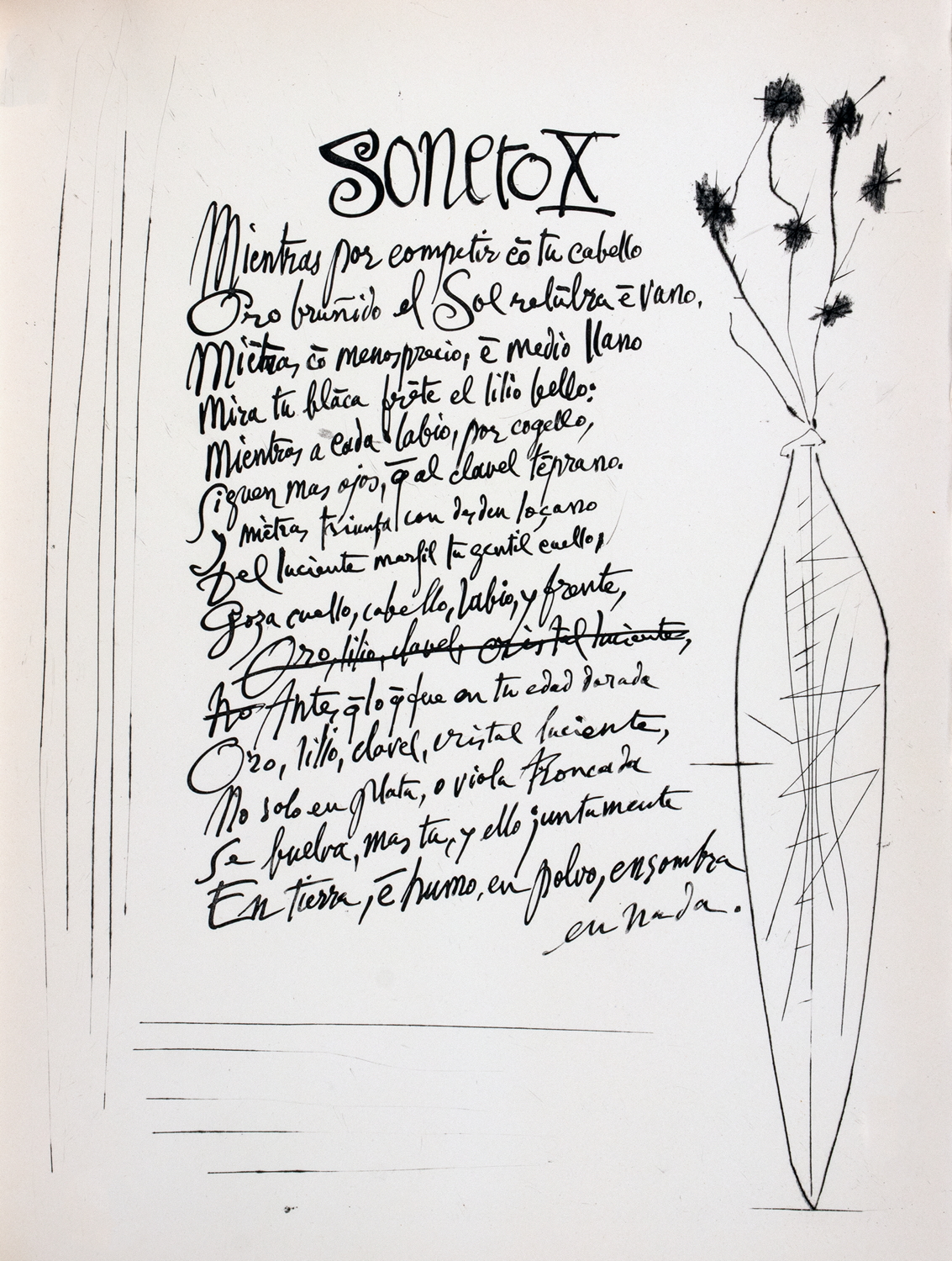
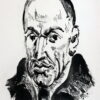
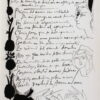
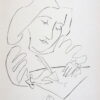
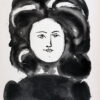
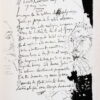
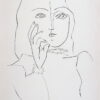
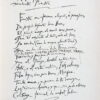
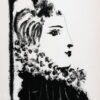
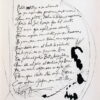
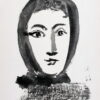
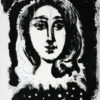
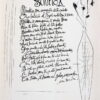
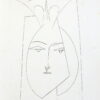
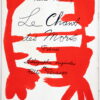
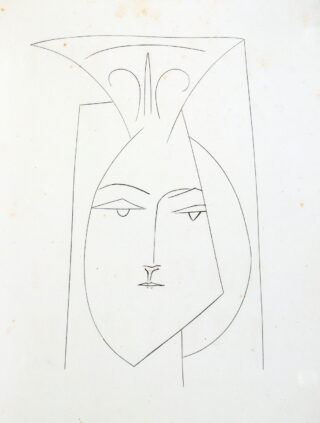
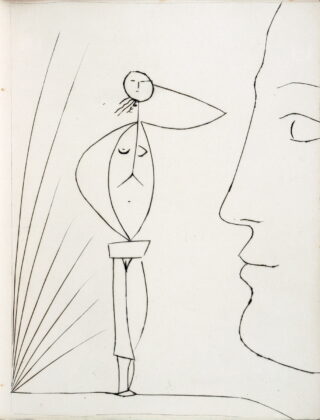
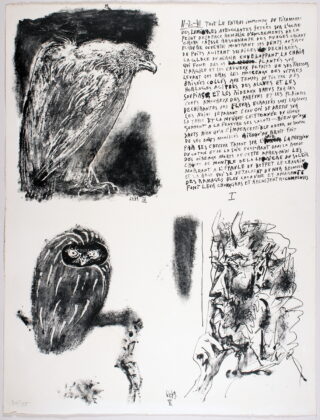
Eins von 235 Exemplaren auf »papier cuvée spéciale« von Marais mit dem Wasserzeichen »Gongora« (Gesamtauflage 275). – Das Buch enthält 20 Porträts und 21 Textseiten, größtenteils als Aquatintaradierungen. – »Das Interesse am Werk von Luis de Góngora y Argote, der 1561 in Córdoba geboren wurde, lebte zu Beginn des 20. Jahrhunderts wieder auf, insbesondere anlässlich seines 300. Todestages, als García Lorca ihn als ›Vater der modernen Poesie‹ bezeichnete. Góngoras Lyrik, die aufgrund des gehaltvollen, kunstvollen Stils des Dichters, seiner Verwendung lateinischer Syntax und seiner bewusst unlogischen Wahl von Metaphern schwer zugänglich ist, wurde in der Zeit des Surrealismus wiederentdeckt, der in vielerlei Hinsicht als eine Wiedergeburt des barocken Manierismus angesehen werden kann. Picasso teilte die Bewunderung seiner Zeitgenossen für El Grecos Malerei und Góngoras Lyrik. Nachdem er – im selben Jahr – bei der Arbeit an den ›Chants des Morts‹, die von Reverdy handschriftlich verfasst worden waren, die Ästhetik der Handschrift entdeckt hatte, kopierte er die 20 von Milner ausgewählten Sonette – auf Spanisch – und verzierte sie anschließend reichhaltig mit Remarques. (Das einzige nicht verzierte Sonett ist Nr. 6 [!], eine Hommage an El Greco.) Jedem Gedicht ist eine ganzseitige Radierung vorangestellt: 19 Frauenköpfe – ein wahres weibliches Kaleidoskop. Für das erste Sonett zeichnete Picasso das Porträt des Dichters nach einem Gemälde des jungen Velázquez aus dem Jahr 1622 (Boston Museum of Fine Arts; eine Kopie befindet sich im Prado, vgl. Mourlot 70). Zur Illustration dieses Buches verwendete Picasso das ›Lift-Ground‹-Verfahren, das er bei seiner Arbeit an den Illustrationen für Buffon so gründlich erforscht hatte. Hier bearbeitete er die Platten jedoch direkt – ohne Retuschen, ohne Tonüberlagerungen, ohne Schaber oder Polierwerkzeug – anstatt sie zweimal in die Säure zu legen, um zuerst die grauen, dann die schwarzen Töne zu erzielen; er zeichnete direkt auf die Platten – mal mit dem Pinsel, mal mit der Feder. Für den Einband, der am 9. März 1948 in Golfe-Juan entstand, schrieb Picasso Góngoras Namen mit einem Pinsel in Anlehnung an den Schreibstil des Dichters. Für das Wasserzeichen verwendete er ebenfalls den Namen des Dichters, diesmal mit einer Arabeske über dem Anfangsbuchstaben.« (nach Herma Goeppert-Frank, in Goeppert/Cramer, S. 138).
Goeppert/Cramer 51. – Bloch 476–516 und livres 48. – LC 2001 71. – Monod 5582. – Rauch 69
38,5 : 28,5 cm. [88] Seiten. – Rücken der Chemise gebräunt
english description:
Includes 41 etchings, some with aquatint. Loose double sheets in their original wrapper, together in a chemise and slipcase.
One of 235 copies on “papier cuvée spéciale” by Marais with the “Gongora” watermark (total print run of 275). – 20 portraits and 21 etched text pages, mostly aquatint etchings. – »Interest in the work of Luis de Góngora y Argote, who was born in Córdoba in 1561, revived at the beginning of the 20th century, particularly on the 300th anniversary of his death, when García Lorca hailed him »the father of modern poetry.« Góngora’s poetry, which is difficult because of the poet’s charged, decorative style, his use ofl latin syntax, and his deliberately illogical choice of metaphors, was rediscovered during the period of Surrealism, which can, in many respects, be considered a rebirth of baroque mannerism. Picasso shared his contemporaries’ admiration for El Greco’s paintings and Góngora’s poetry. Having discoveried – that same year – the aesthetics of handwriting while working on ›Chants des Morts‹, which was handwritten by Reverdy, he copied the 20 sonnets – in Spanish – which had been chosen by Milner, and then decorated them richly with remarques. (The only sonnet not adorned is No. 6 [!], which is a tribute to El Greco.) Each poem is preceded by a full-page etching: 19 heads of women, a veritable of feminin kaleidoscope. For the first sonnet, Picasso drew the poet’s portrait after a painting done by the young Velázquez in 1622 (Boston Museum of Fine Arts; there is a copy in the Prado. See also Picasso’s lithographic portrait of Góngora done on March 7, 1947; Mourlot 70). To illustrate this book, Picasso used the lift ground process he had so thoroughly explored during his work on the illustrations for Buffon. Here, however, he worked the plates directly – without retouchs, without tonal superimport-folio and slipcaseitions, using neither scraper nor burnisher – instead of placing them twice in acid to achieve first the grey, then the black tones; he drew directly on the plates – sometimes with brush, sometimes with pen. For the cover, which was done at Golfe-Juan on March 9, 1948, Picasso wrote Góngora’s name with a brush in imitation of the poet’s style of writing. For the watermark, he also used the poet’s name, this time with an arabesque above the initial.« (Cramer, p. 138).
»The twentieth century saw a revival of interest in the early seventeenth-century Spanish poetry of Góngora and the paintings of his contemporary and friend, El Greco. Picasso, who shared in this admi-ration, took on the illustration of Vingt Poëmes with great productivity. Having observed Reverdy’s use of his own handwriting for the text for Le Chant des morts, which the artist had illustrated earlier that year, Picasso copied in Spanish the twenty poems chosen for the book. In addition to a portrait of Góngora based on a 1622 portrait by Velázquez, Picasso drew an extraordinary series of nineteen heads of women in various attitudes. He chose lift ground etching for his medium, which allowed him to create subtle tones of gray and black.« (Robert Flynn Johnson, in: LC)
Spine of chemise browned.