Ausrufzeit : ca. 15:53 (Zeitplan ohne Gewähr)
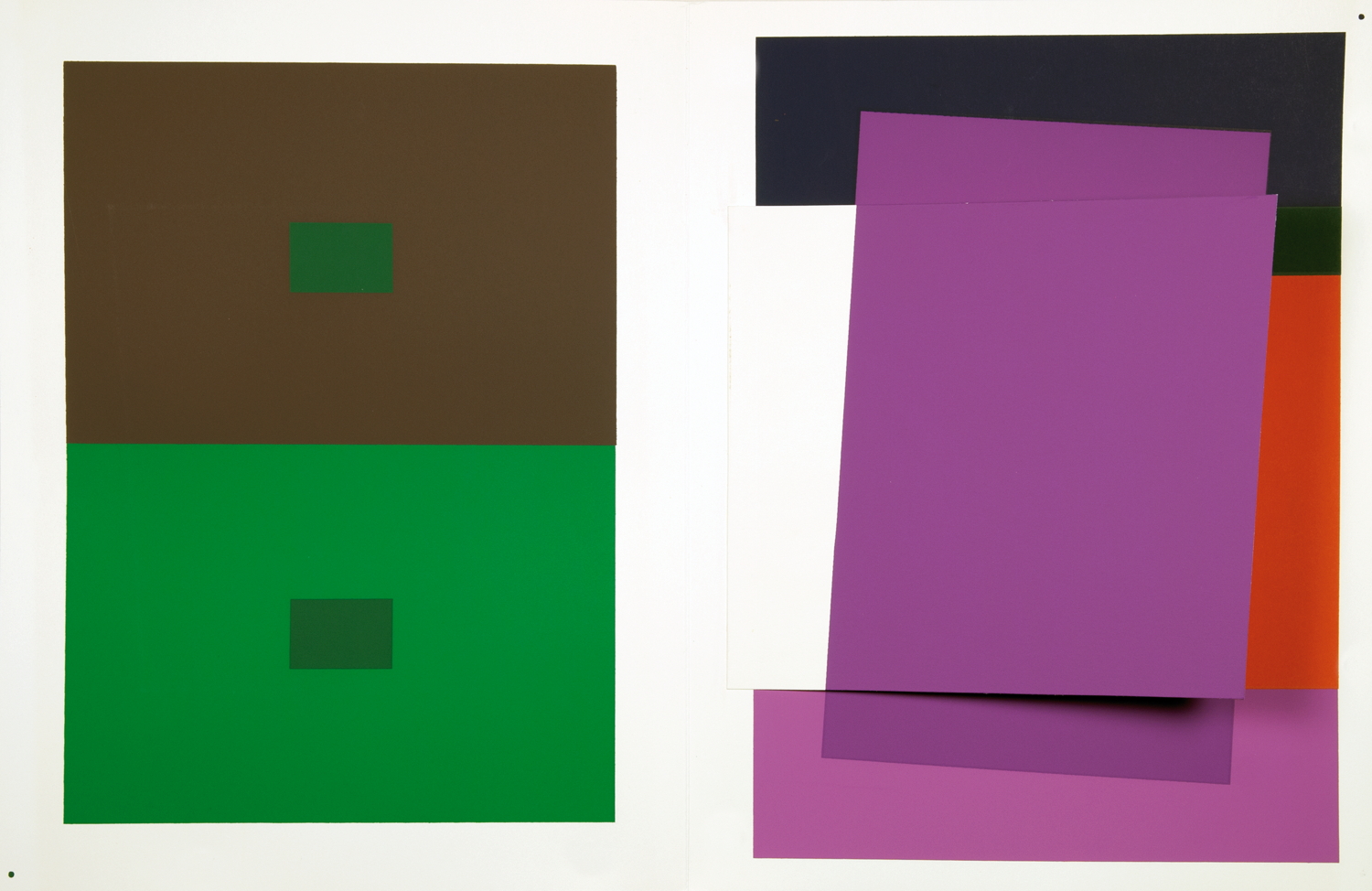
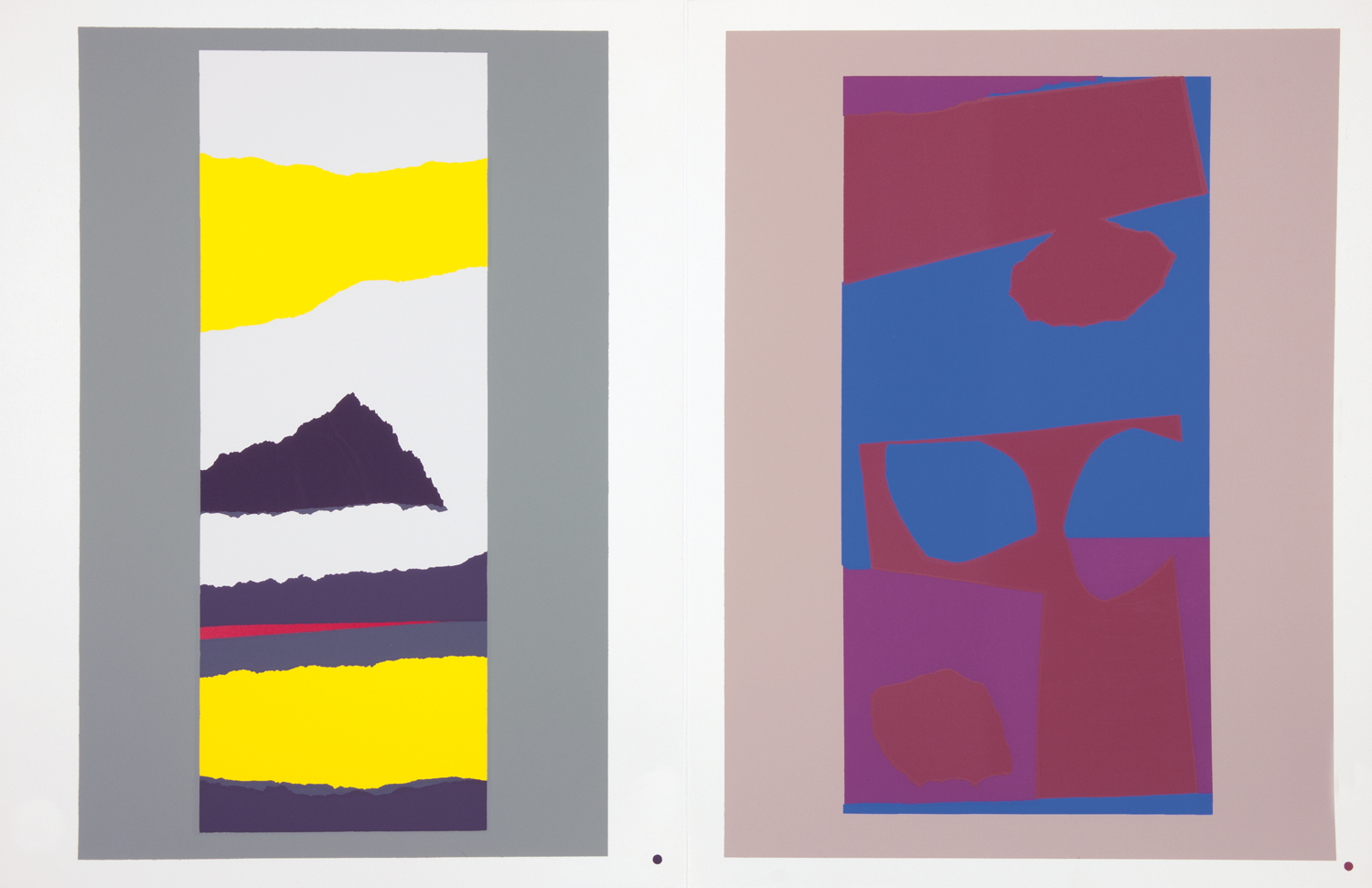
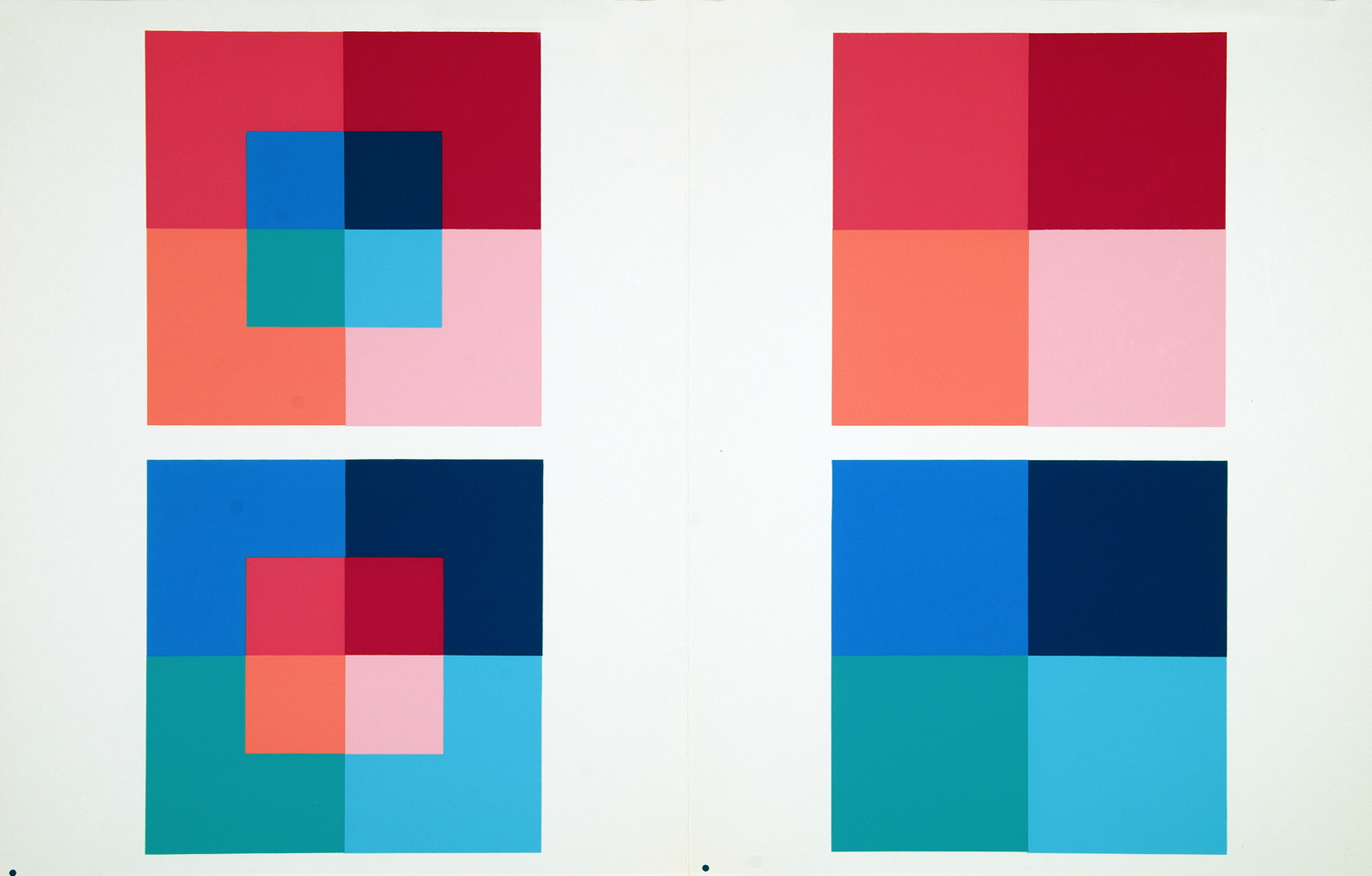
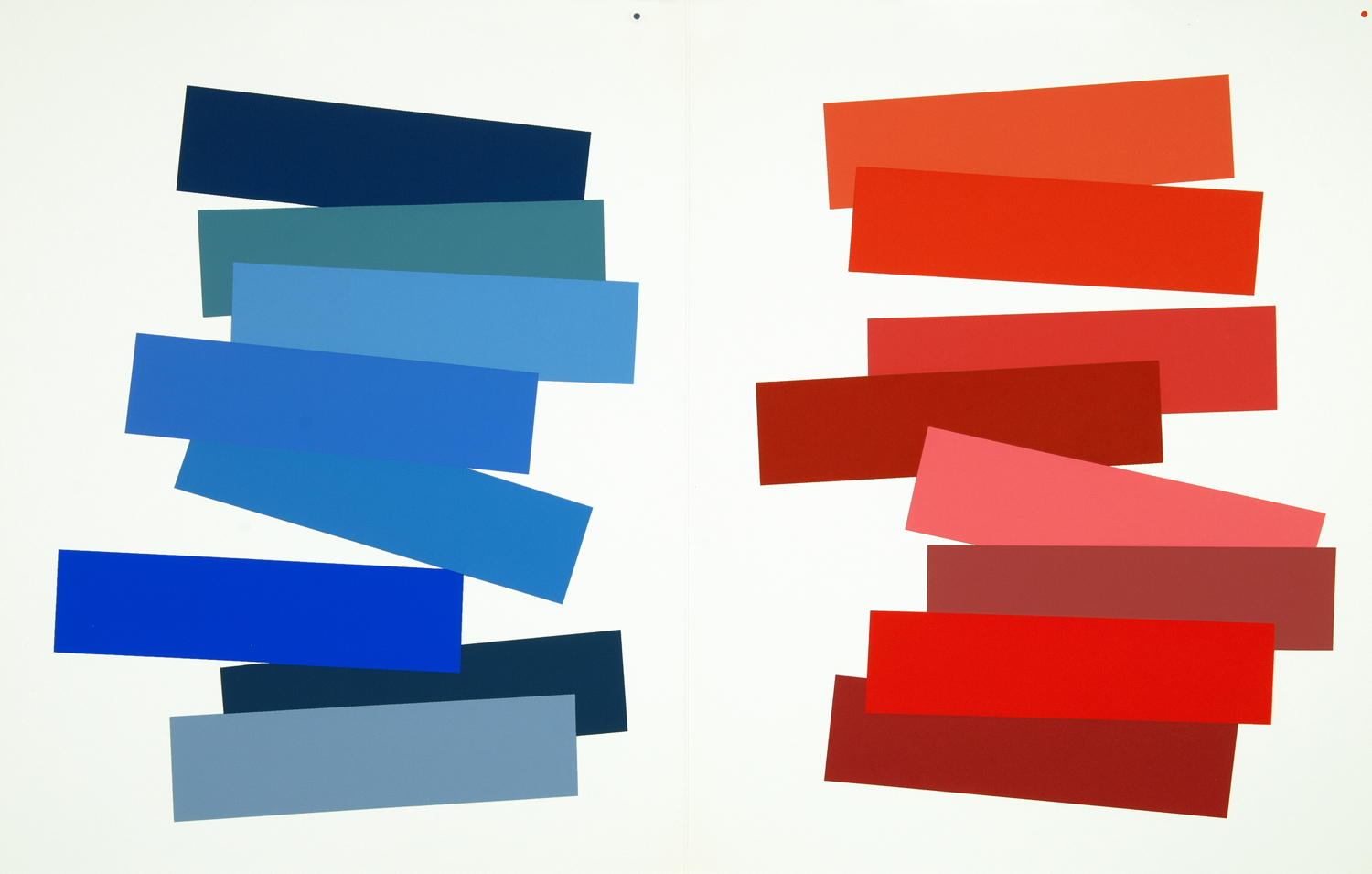
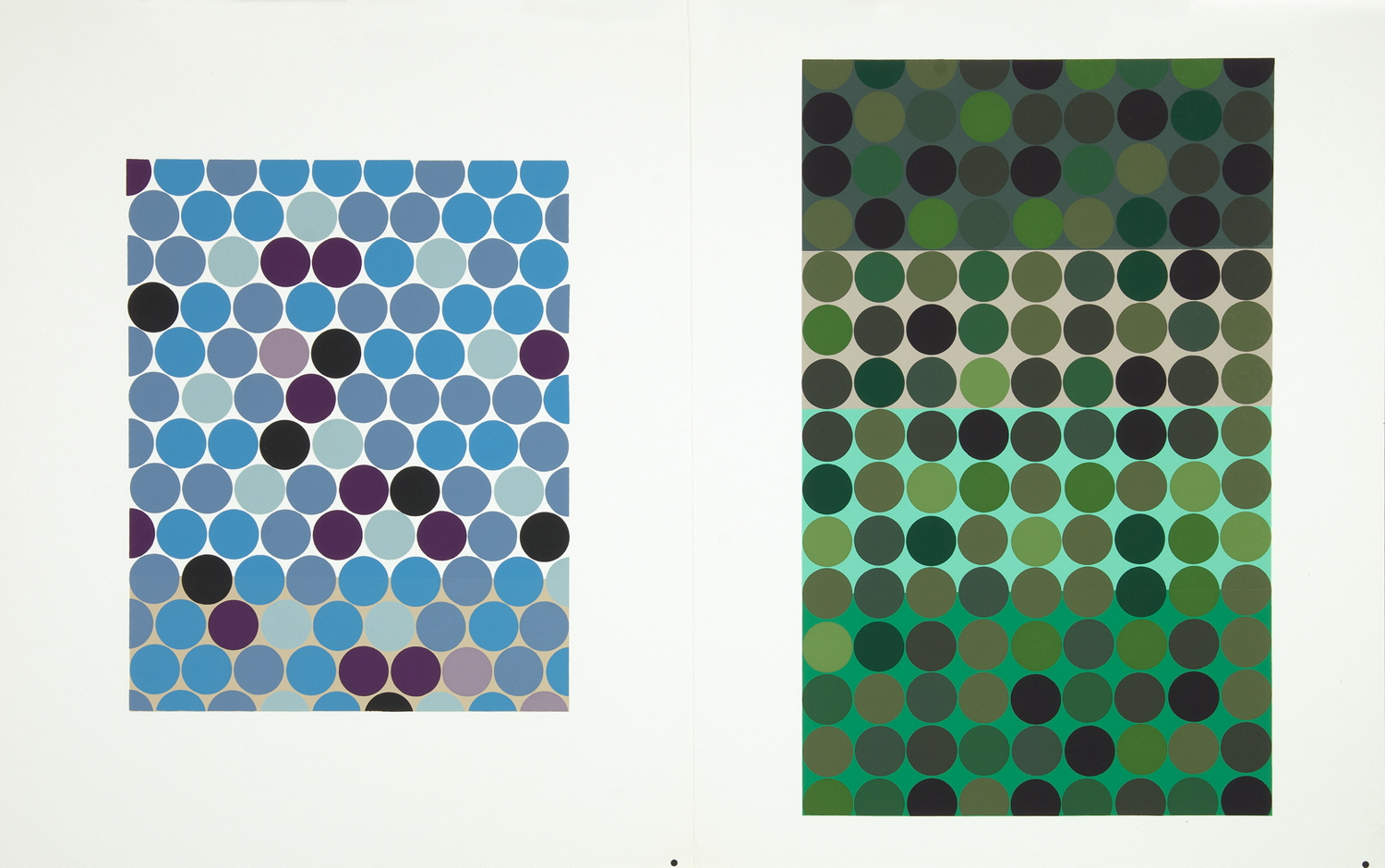
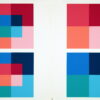
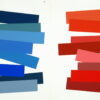
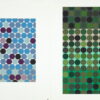
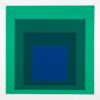
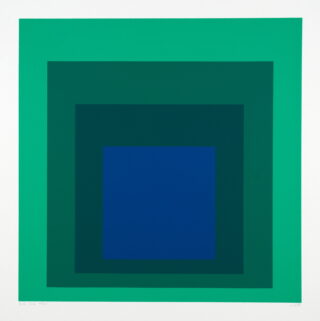
Erste Ausgabe eines der bedeutendsten »Künstlerbücher« des späten 20. Jahrhunderts. – Josef Albers lernte und lehrte am Dessauer Bauhaus, 1933 ging er ins Exil. In den 1950er Jahren leitete er das Art Department der Yale University, am Ende seiner Lehrtätigkeit widmete er sein wichtiges und berühmtes Werk zur Farbentheorie seinen Schülern: »This Book is my Thanks to my Students«. – Auf 80 Doppelbogen veranschaulichen je eine oder mehrere Farbserigraphien bzw. Farboffsets mit einigen aufklappbaren Farbelementen Albers’ Theorien. Unter anderem erörtert er den Bezold-Effekt, dessen Anwendung ihn zu seinen »Homage-to-the-Square«-Bildern führte. Mit Blick auf seine theoretischen Untersuchungen zu physischen und psychischen Wirkungen verschiedener Farben darf man »Interaction of Color« als legitime Fortsetzung von Goethes Farbenlehre und besonders Runges Farbenkugel bezeichnen. – Gestaltet von Norman Ives, der später auch für Albers’ »Formulation : Articulation« verantwortlich war. – Aufwendig gedruckt und sorgfältig ediert, in der Originalausgabe sehr selten.
35,5 : 27,0 cm. 80, 48 Seiten und 80 Klapptafeln. – Einige der Doppelbogen – zumeist im Falz und an den Rändern – etwas stockfleckig, wenige leicht gebräunt durch ehemalige Zwischenlagepapiere.
english description:
80 double-leaves with color serigraphs. Includes a volume of text and commentary (original cloth binding/paperback) in a half-cloth case and slipcase.
First edition of one of the most significant “artists’ books” of the late 20th century. – Josef Albers (1888–1976) studied and taught at the Bauhaus in Dessau; in 1933, he went into exile. In the 1950s, he headed the Art Department at Yale University; at the end of his teaching career, he dedicated his important and famous work on color theory to his students: “This Book is my Thanks to my Students.” Together with Victor Vasarely, he is considered the founder of “Op Art.” – Across 80 double-leaves, one or more color serigraphs or color offset prints—some featuring fold-out color elements—illustrate Albers’ theories. Among other things, he discusses the Bezold effect, the application of which led him to his “Homage to the Square” paintings. In light of his theoretical investigations into the physical and psychological effects of various colors, “Interaction of Color” can be described as a legitimate continuation of Goethe’s theory of colors and, in particular, Runge’s color sphere. – Designed by Norman Ives, who later also designed Albers’ “Formulation: Articulation.” – Lavishly printed and carefully edited; the original edition is extremely rare.
Some of the double-leafs—mostly along the guard and at the edges—have some foxing; a few are slightly discolored due to former interleaving papers.