Ausrufzeit : ca. 15:13 (Zeitplan ohne Gewähr)
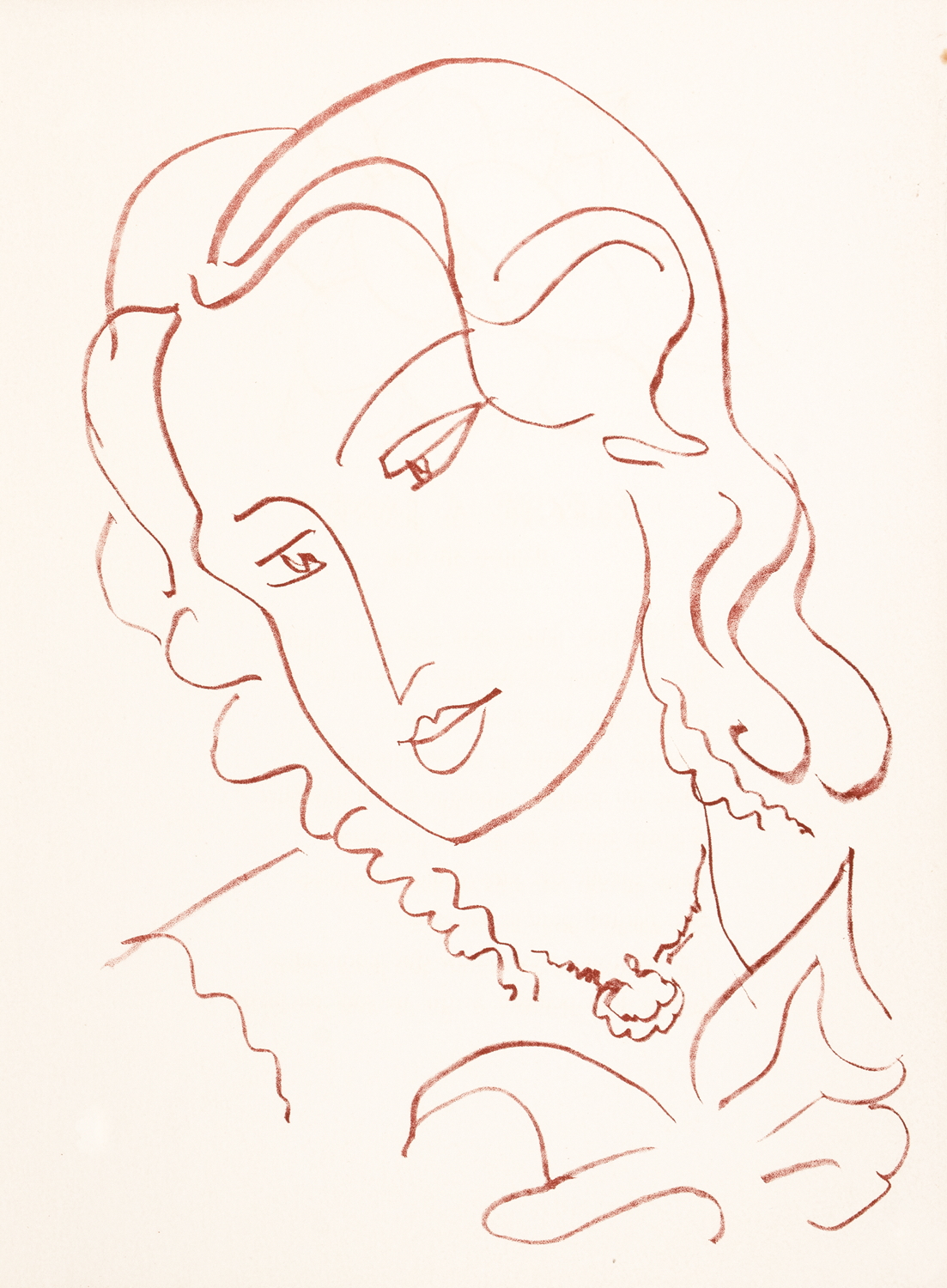
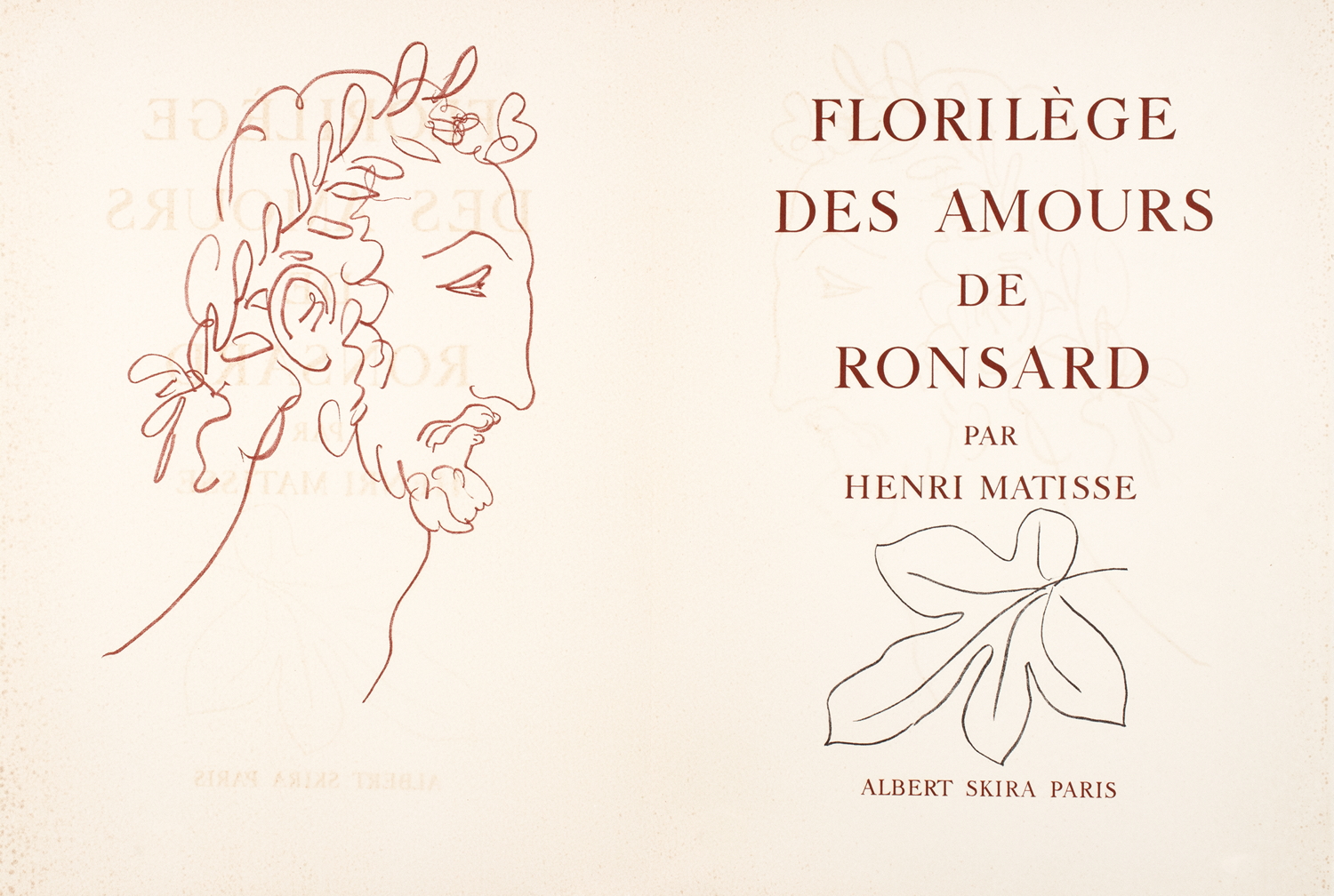
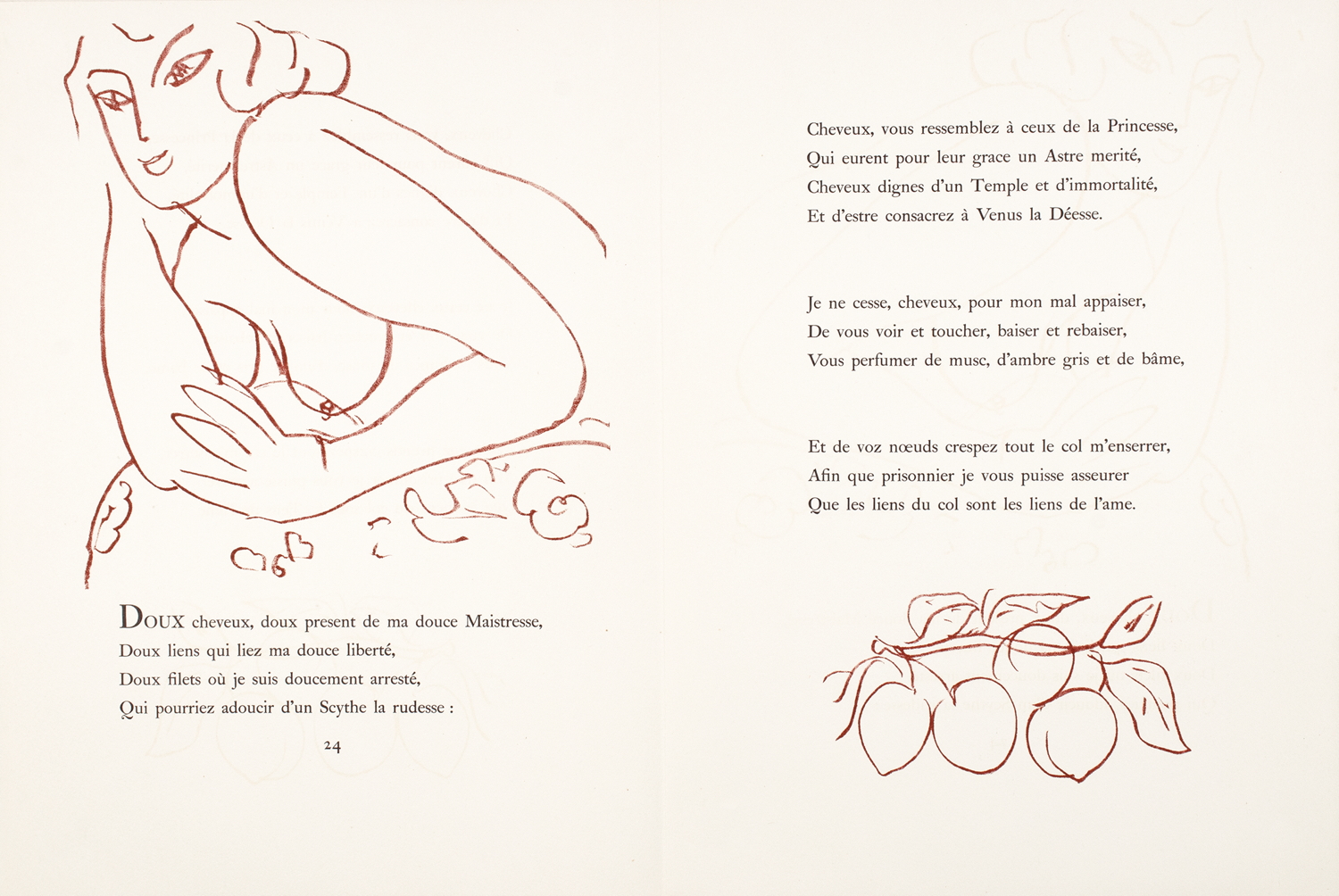
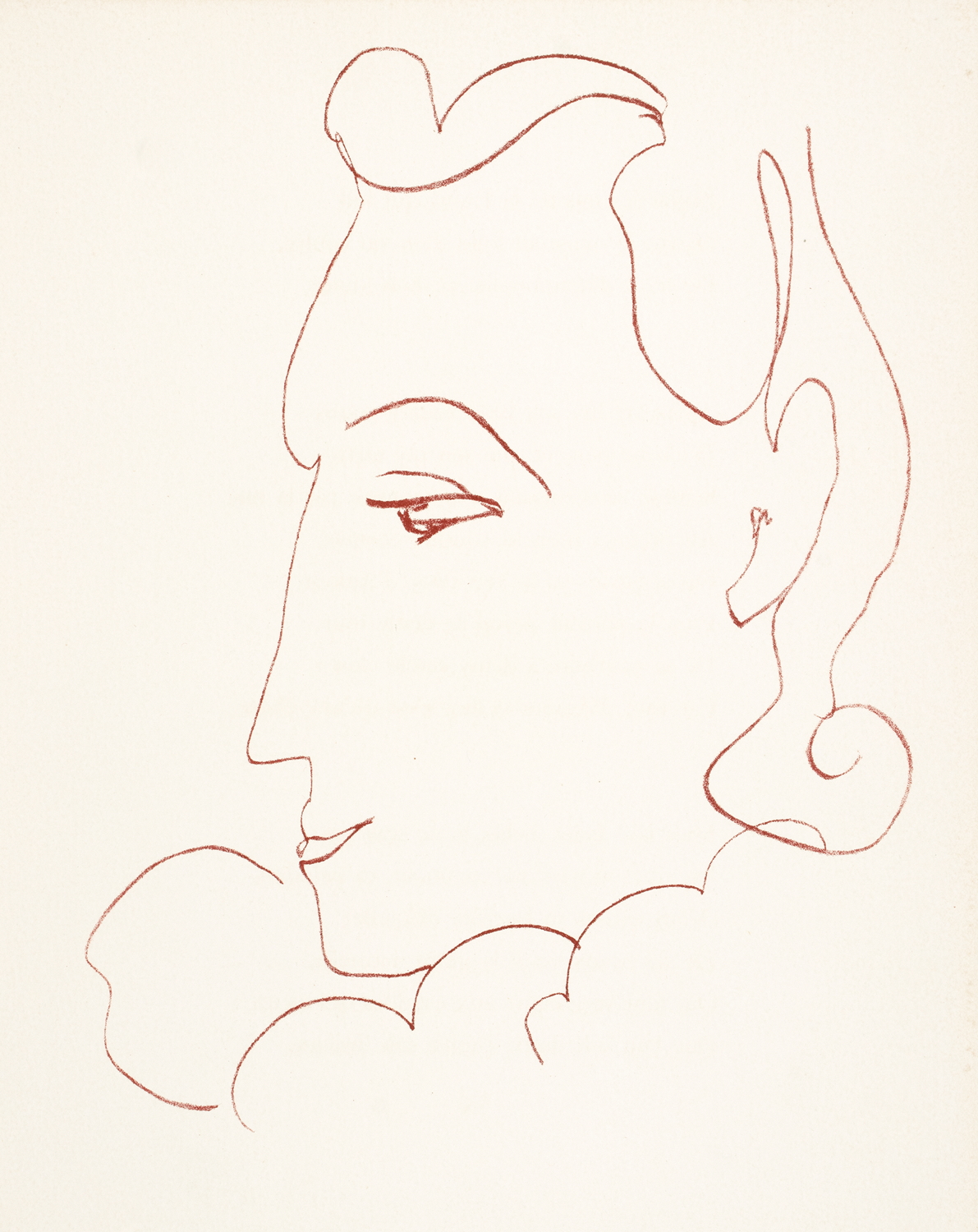
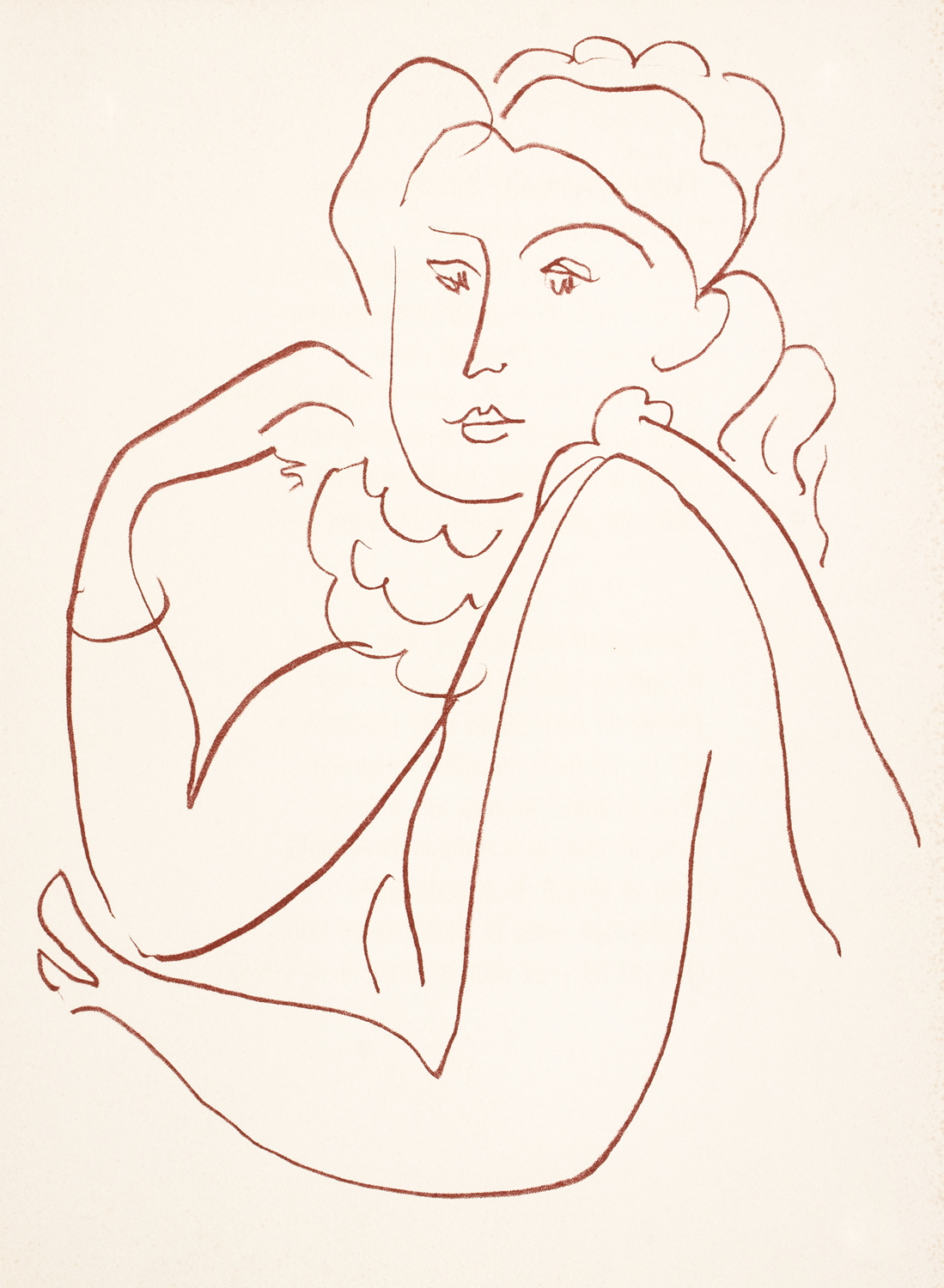
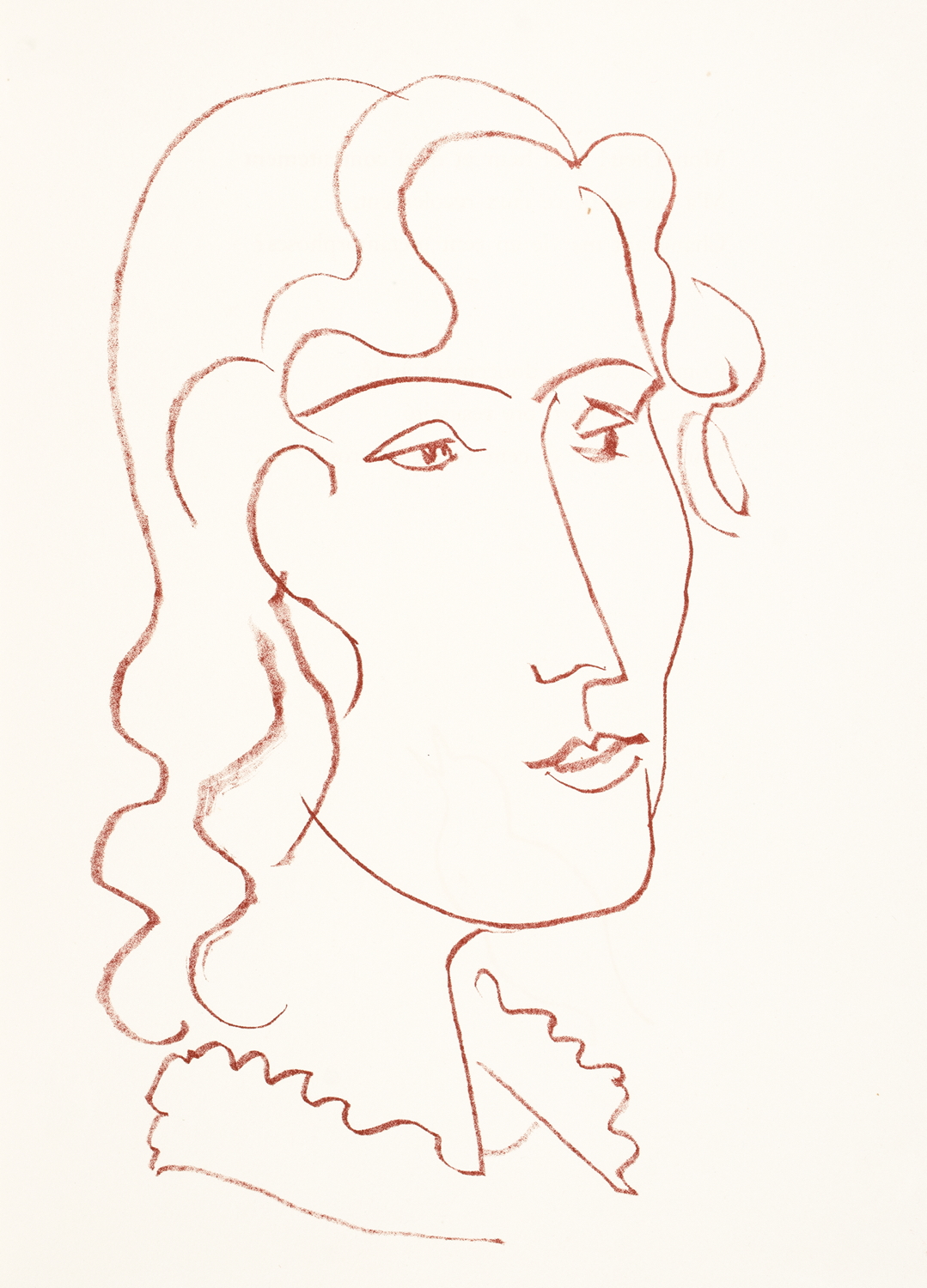
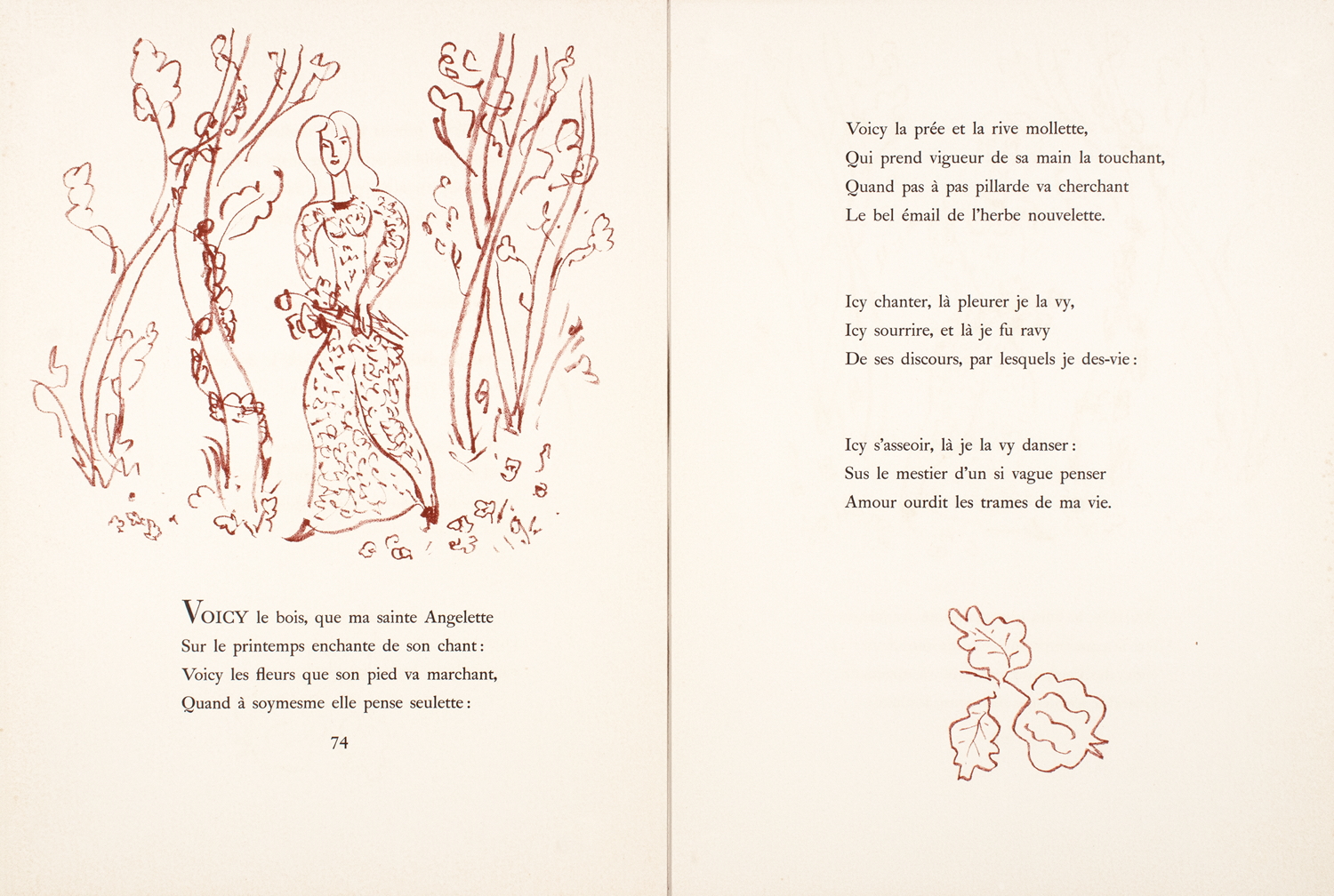
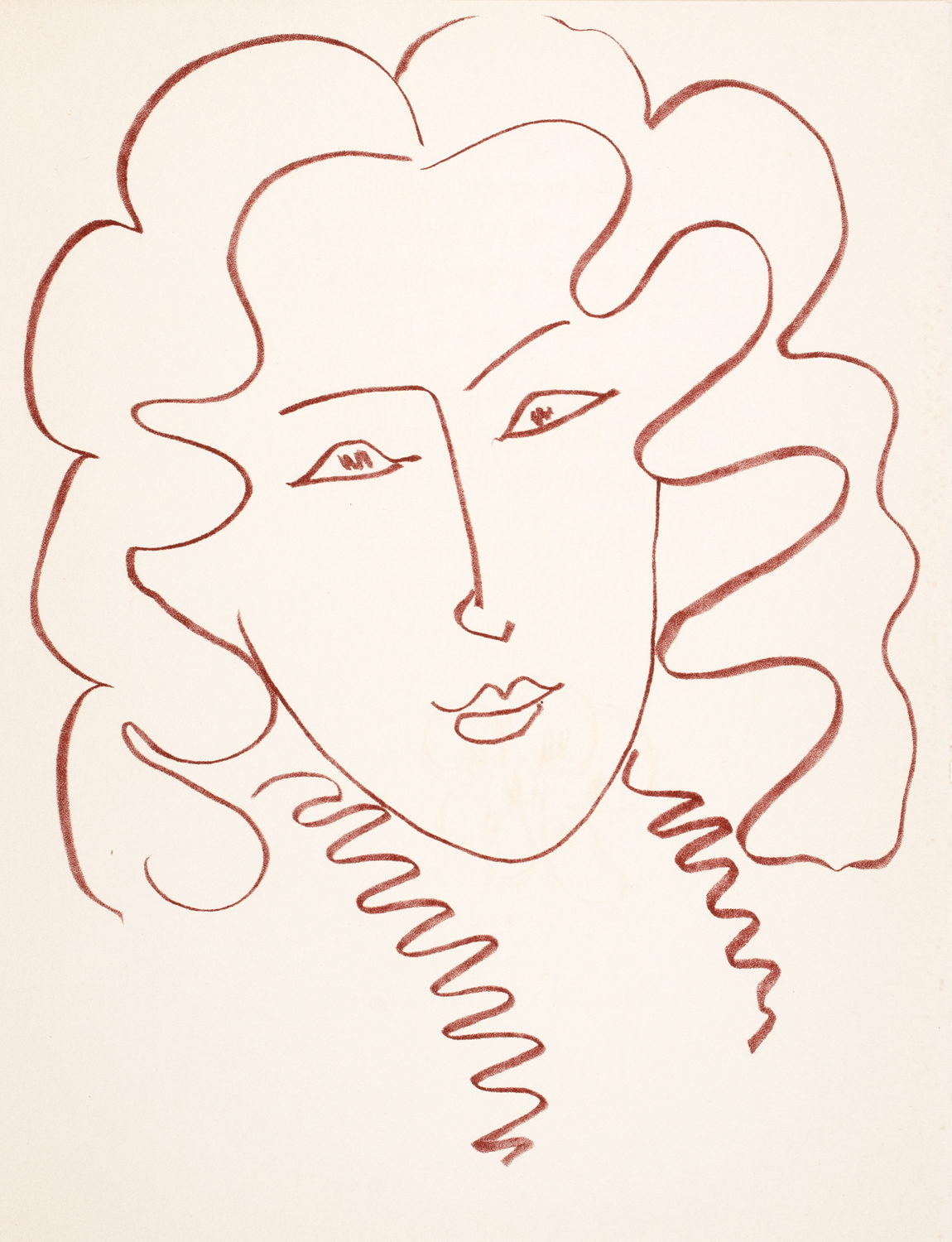
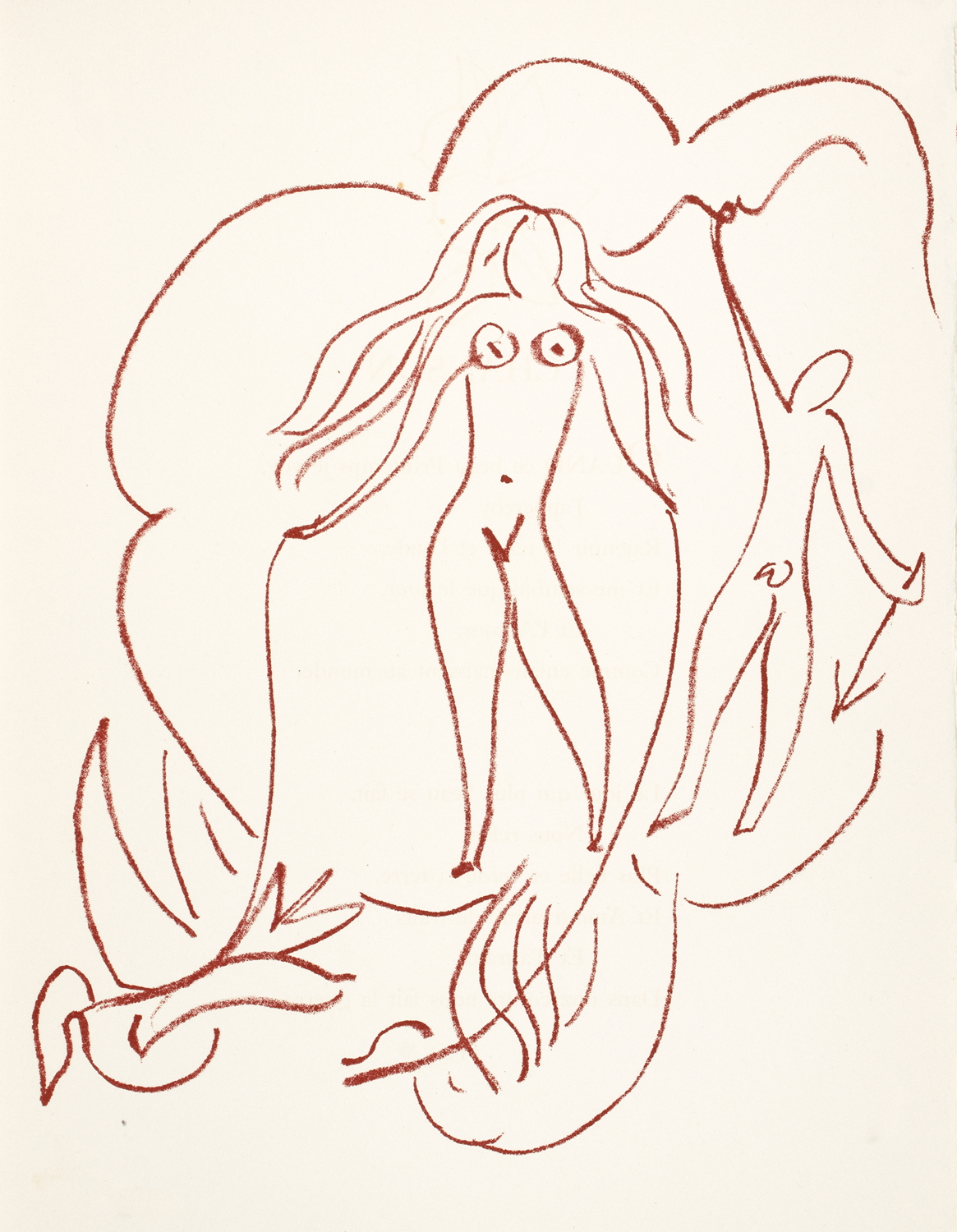
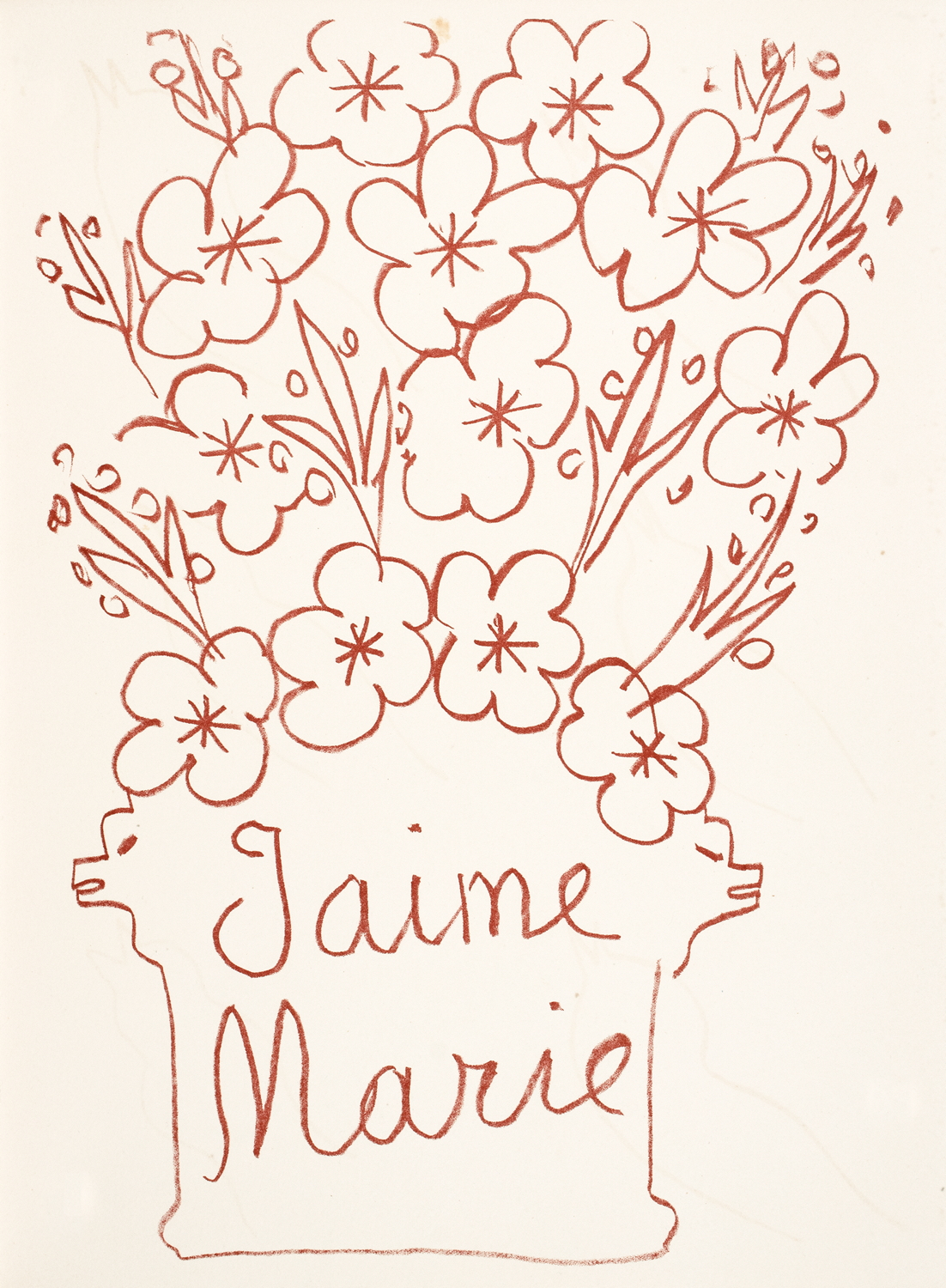
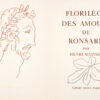
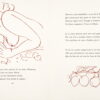
Eins von 250 Exemplaren (Gesamtauflage 320). – Im Druckvermerk von Künstler und Verleger signiert. – Gedruckt auf Velin d’Arches. – 1941 begann Henri Matisse Zusammenarbeit mit dem Verleger Skira die sieben Jahre in Anspruch nehmende Arbeit am Projekt »Florilège«. Die Verzögerung ist in Schwierigkeiten ganz allgemein während des Krieges und im Besonderen mit den Schriftarten begründet. – Pierre de Ronsard (1524–1585), zu Lebzeiten einer der bedeutendsten französischen Dichter, geriet später weitgehend in Vergessenheit. Die sorgfältig ausgewählten Sonette über die höfische Liebe, in üppigen Naturbildern sowie den reichen Metaphern aus Mythologie und Natur, mit denen er die Liebe und die weibliche Gestalt beschrieb, inspirierten Matisse zu verspielten Darstellungen einer idyllischen Natur und der Weiblichkeit. Seine Illustrationen unterstreichen die Anmut und den Charme von Ronsards Dichtung.
Duthuit/Garnaud 25. – Monod 9909. – Rauch 173. – A&B 201
39,0 : 29,5 cm. 185, [5] Seiten. – Schuber lichtrandig, Rücken der Chemise stark verblasst. – Umschlag und einige Seiten am Rand schwach stockfleckig, 2 Seiten mit größeren Flecken.
english description:
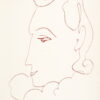
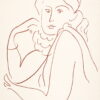
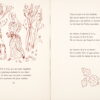
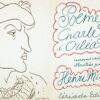
Includes 128 lithographs in sepia, 2 on the cover. Loose double sheets in illustrated original wrapper, together in an original chemise and slipcase.
One of 250 copies (total print run of 320). – Signed by the artist and publisher in the colophon. – Printed on Arches vellum. – Pierre de Ronsard (1524–1585), one of the most significant French poets of his time, was later largely forgotten. The carefully selected sonnets on courtly love—with their lush depictions of nature and the rich metaphors drawn from mythology and the natural world with which he described love and the female form—inspired Matisse to create playful depictions of idyllic nature and femininity. His illustrations highlight the grace and charm of Ronsard’s poetry. – »Skira has recorded the difficulties which beset the publication of this book for seven years. In 1941, in the South of France, Matisse told Skira of his desire to illustrate Ronsard with about thirty lithographs. The publisher, who had brought out Matisse’s splendid Mallarmé nine years earlier was anxious to proceed. Because of the war, production was begun in Zurich, where the artist spent several months on preliminary sketches and layout. A trial printing showed the type to be unsuitable, so the pages were reset with an old Caslon type from the printer Kundig in Geneva. By 1945 Matisse had completed his drawings, which now numbered one hundred twenty-six instead of thirty, as he had originally planned. The war over, production was transferred to Paris, but soon halted by two disasters: the old type was no longer usable and the paper had yellowed.
Finally, at the Haas Foundry in Basel there were located original Caslon punches, from which new type was cut, and a slightly tinted Arches paper was obtained. Not until 1948 was the book completed (slightly delayed once more while Matisse perfected the design of the slip case). In spite of these vicissitudes, the precision and care exercised over seven years are evident in the combination of delicacy, strength, and spaciousness.« (Eleanor M. Garvey)
slipcase with a narrow border; spine of the chemise is heavily faded. – Cover and some pages have slight foxing along the edges; 2 pages have larger stains.