Ausrufzeit : ca. 16:53 Uhr (ohne Gewähr)
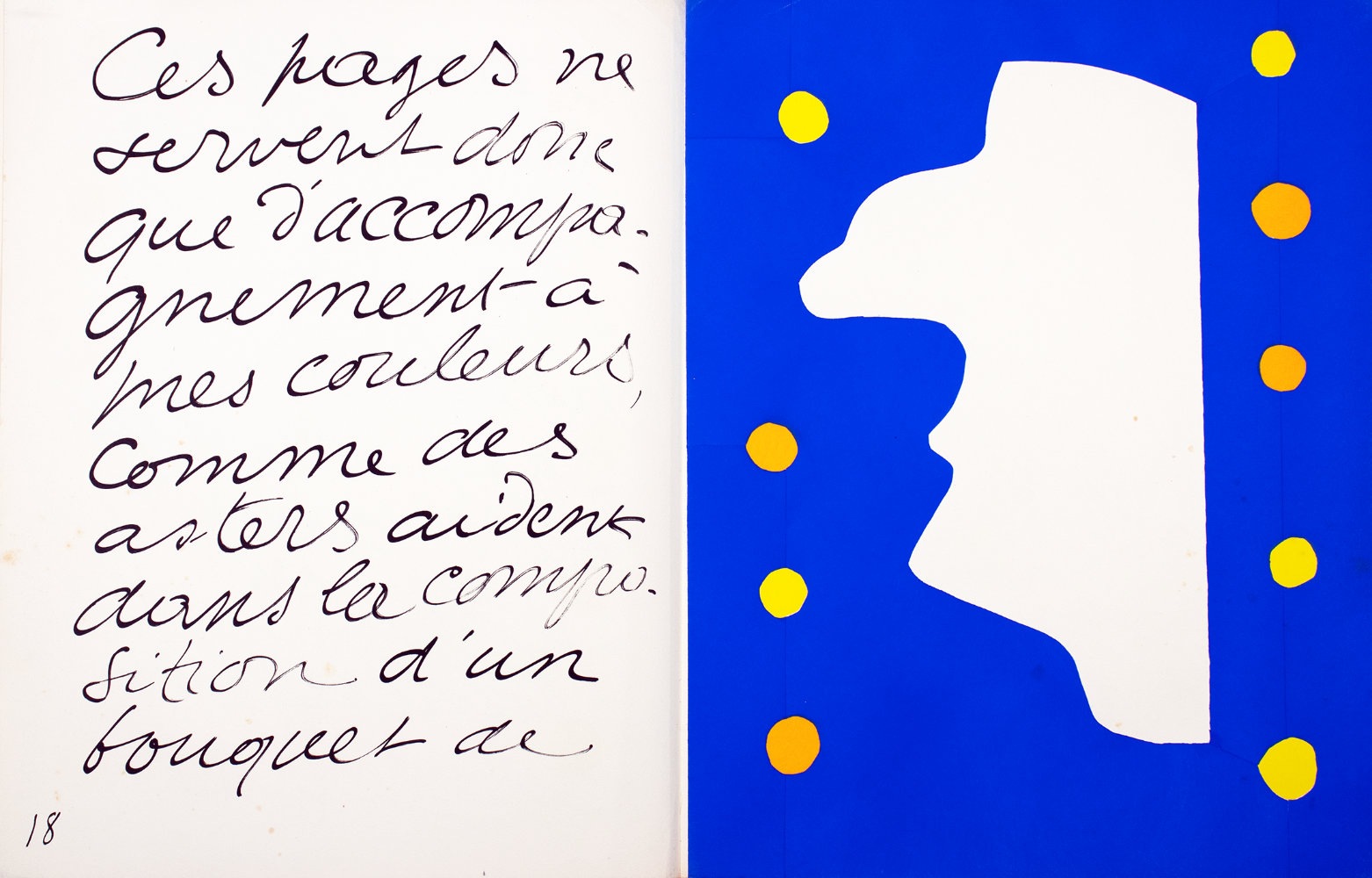
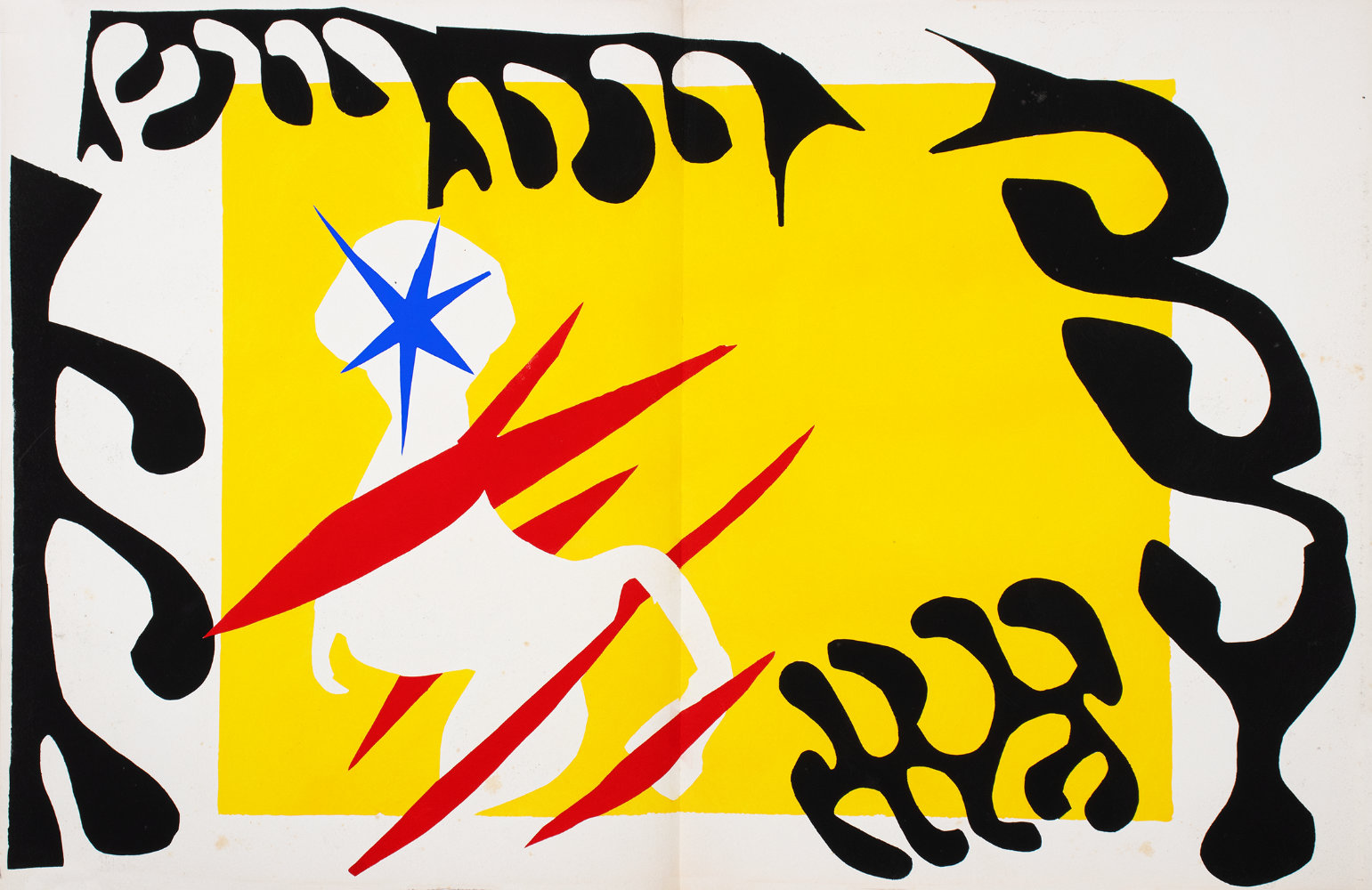
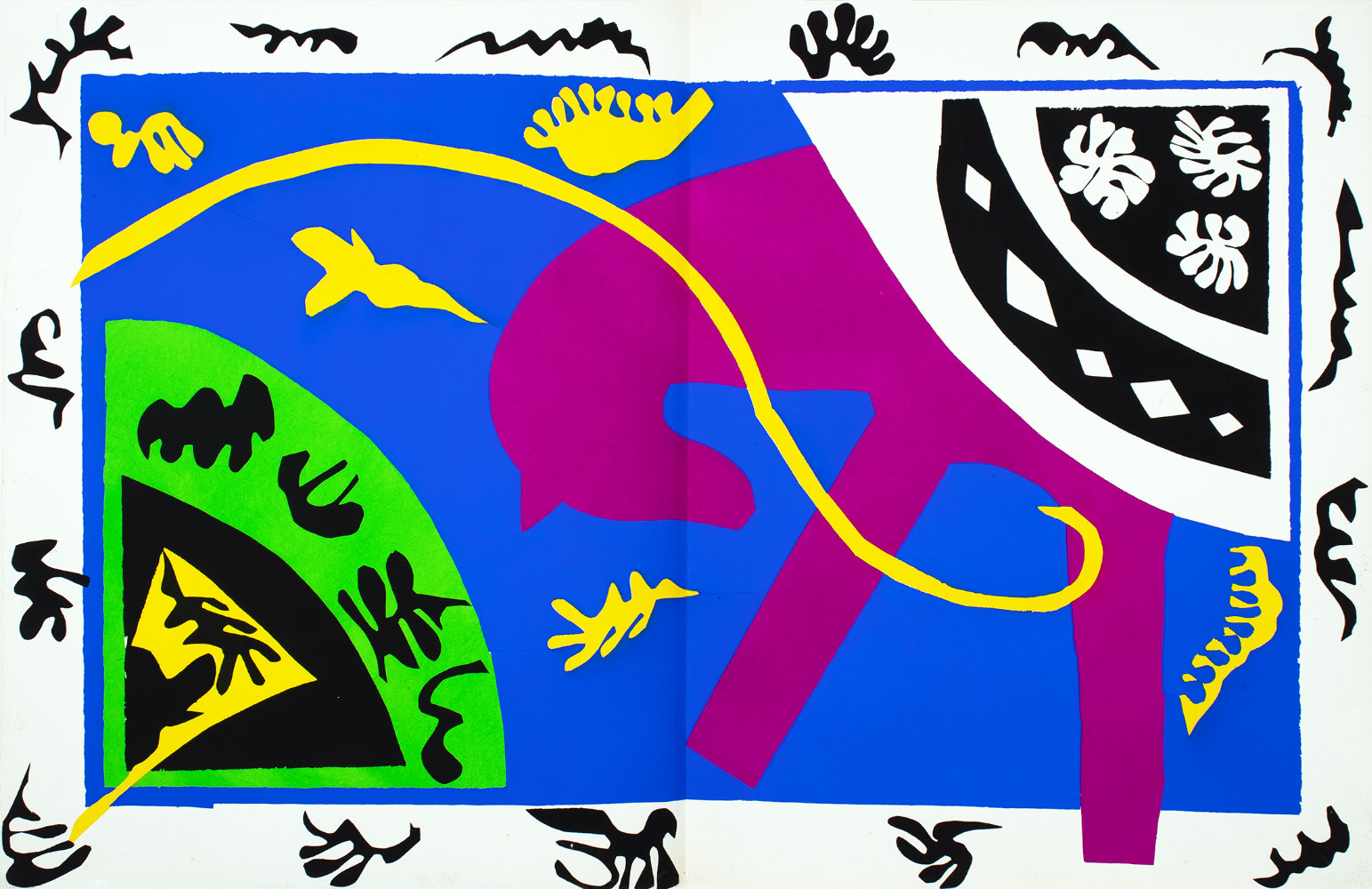
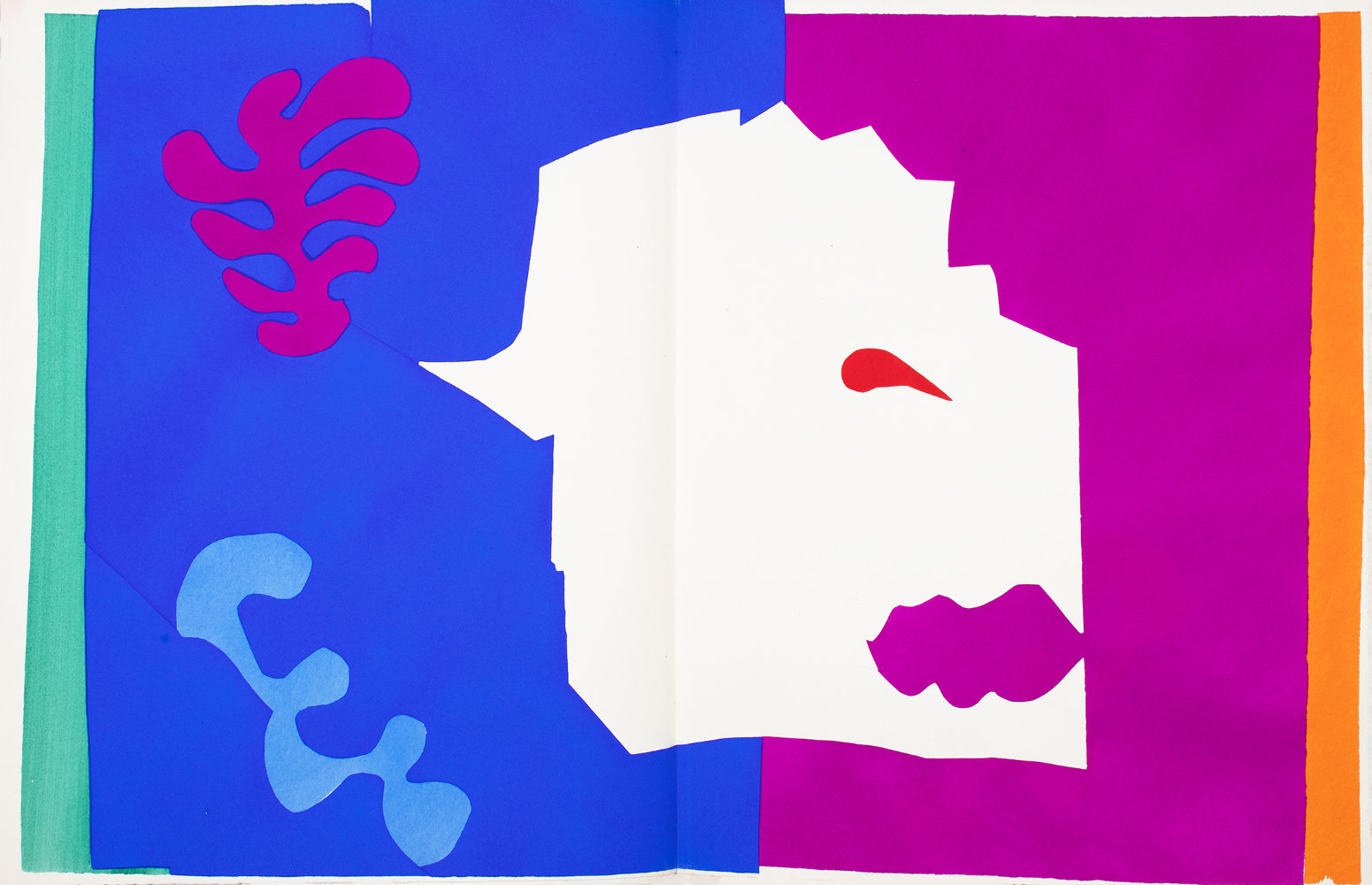
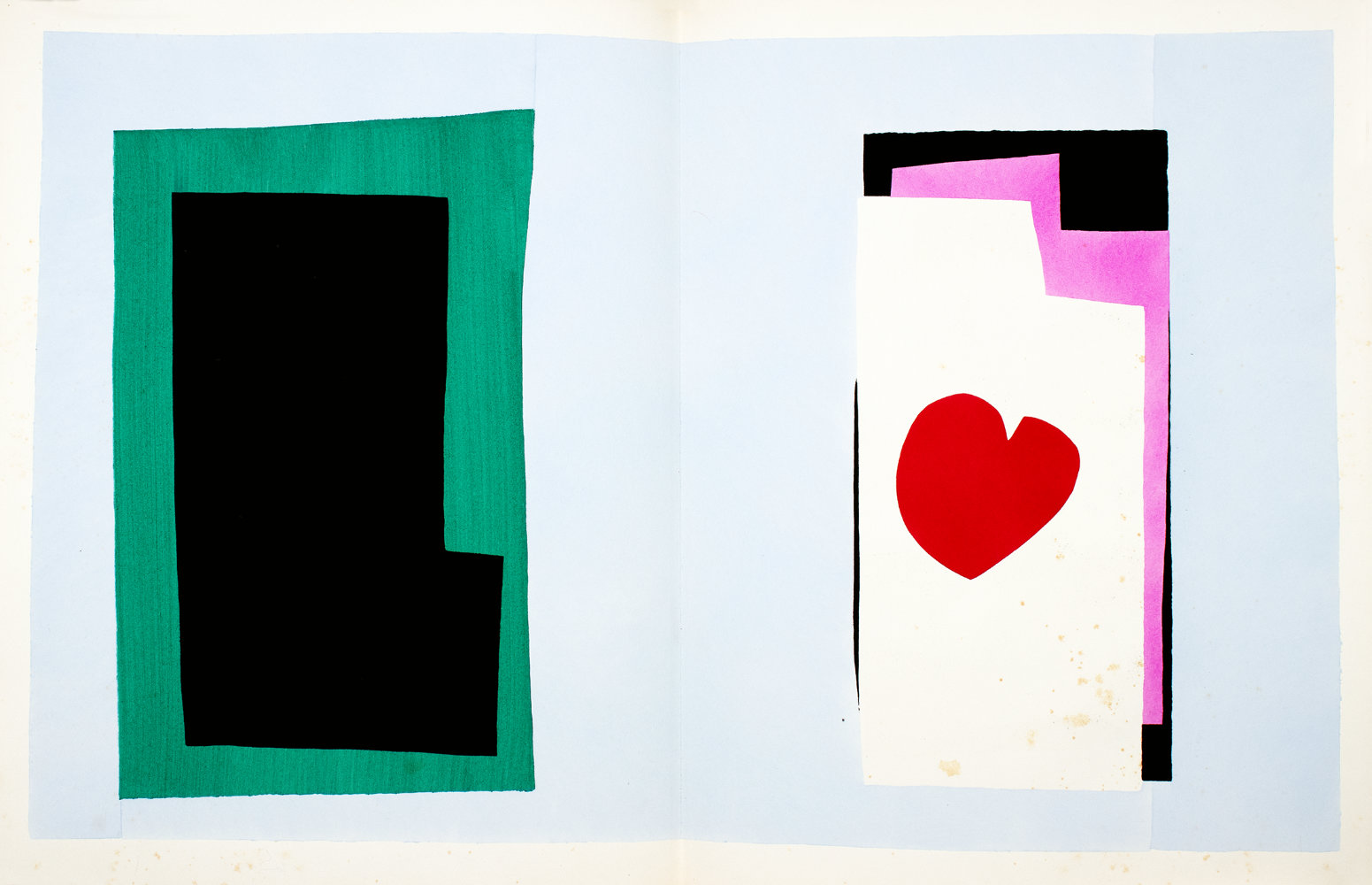
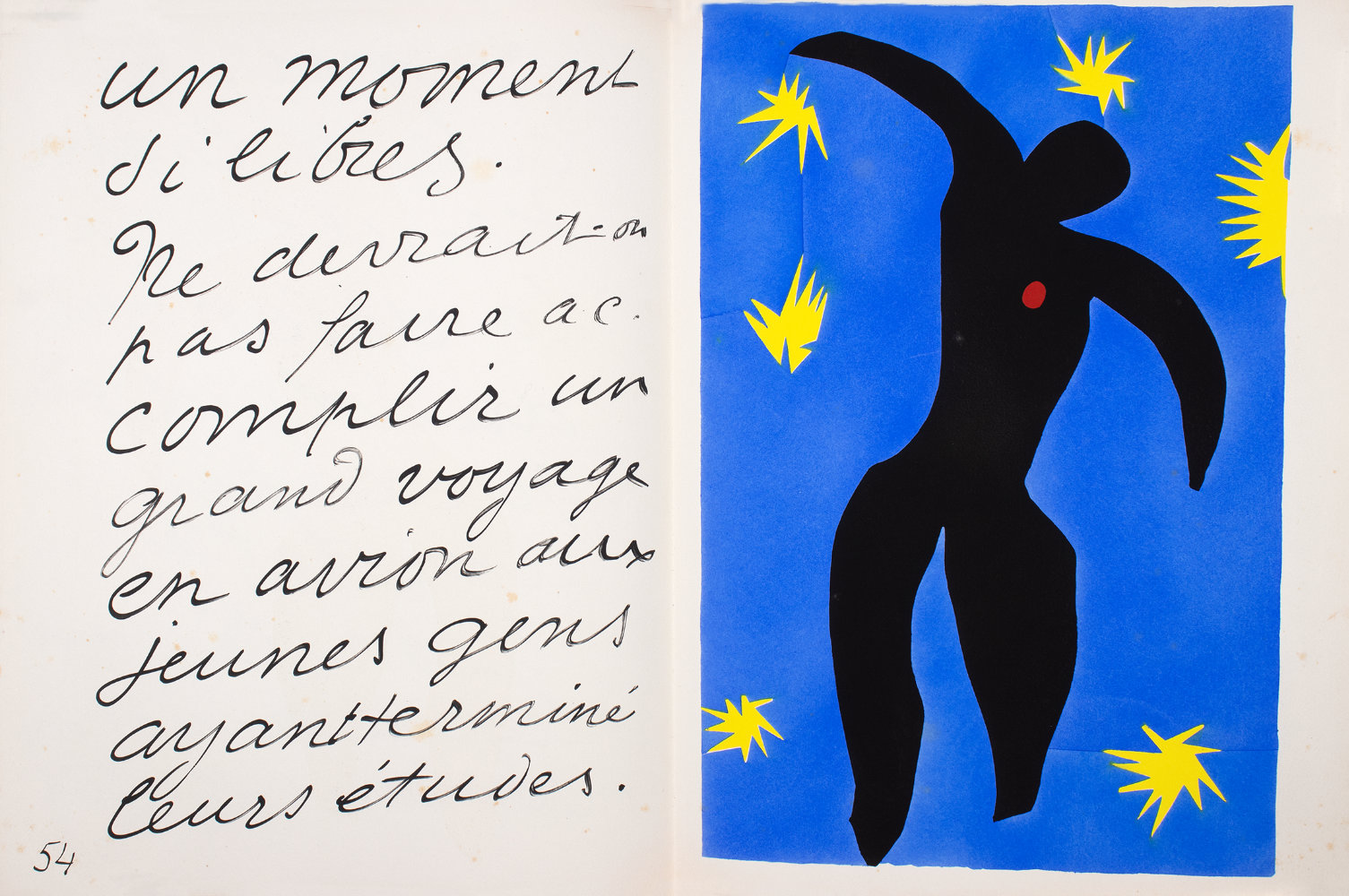
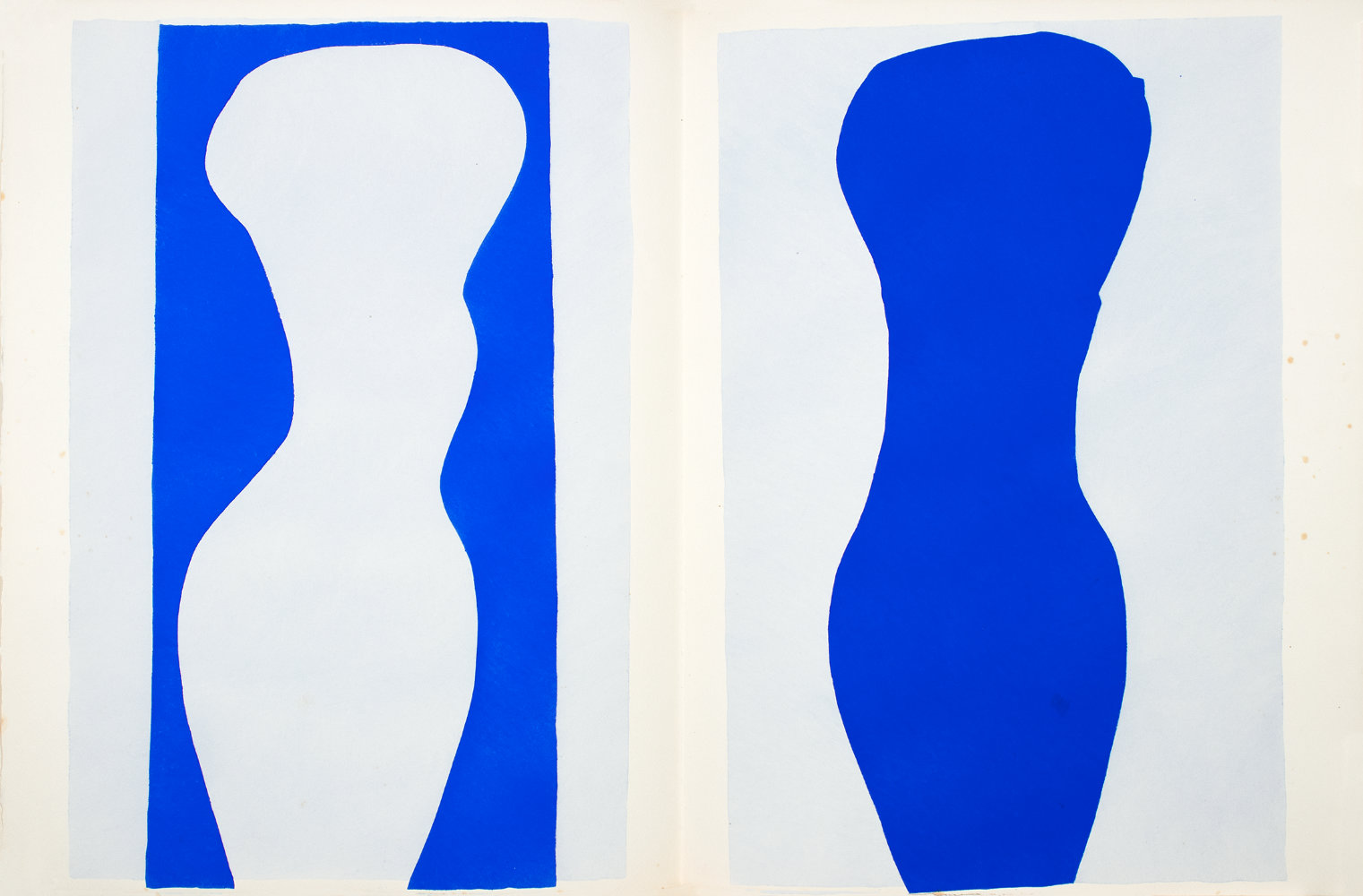
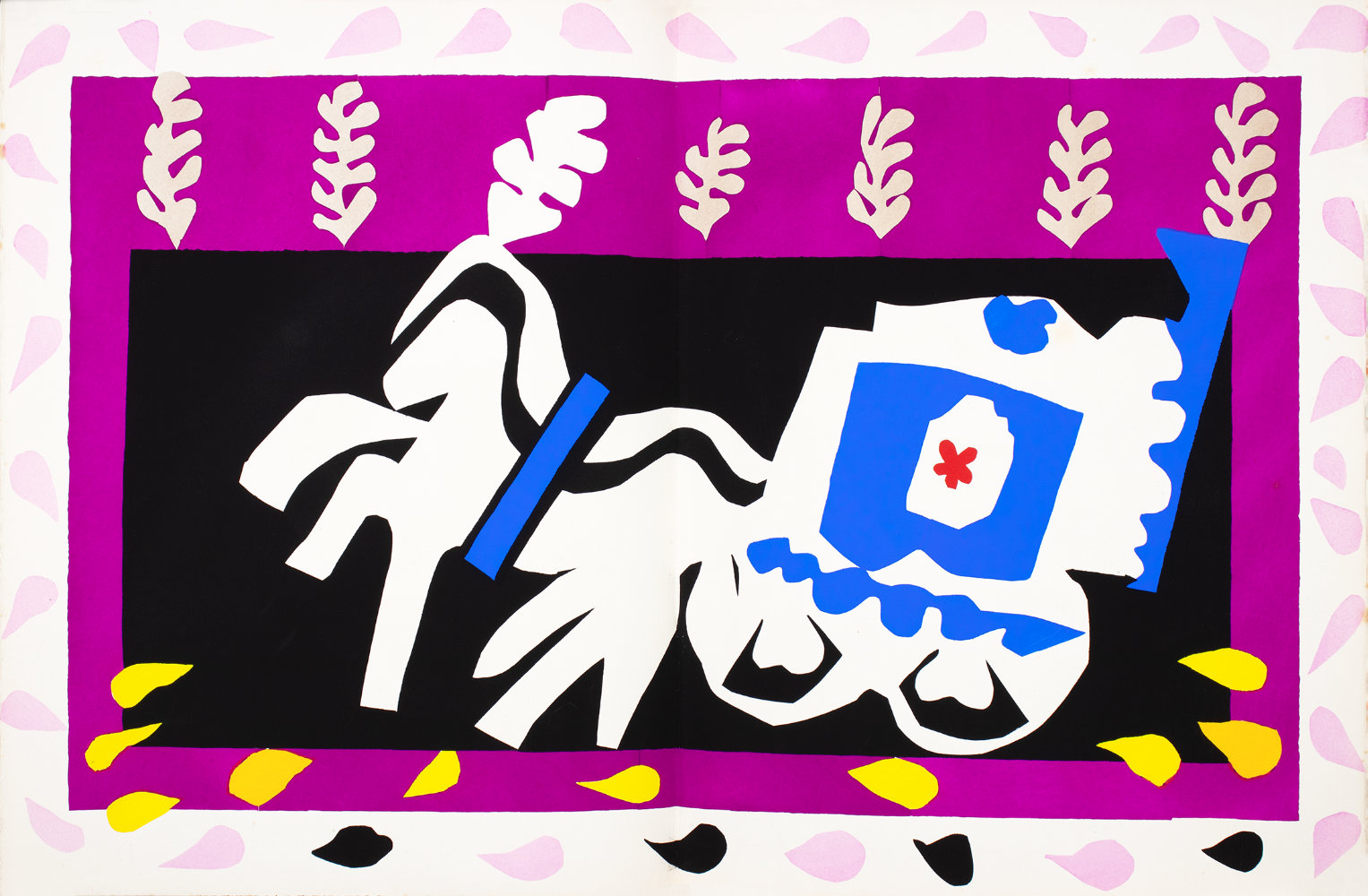
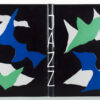
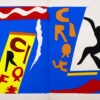
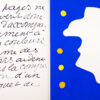
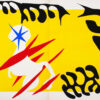
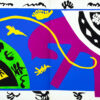
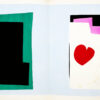
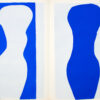
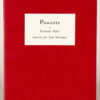
Eins von 250 Exemplaren, weitere 20 römisch nummerierte erschienen als Künstlerexemplare. – Im Druckvermerk vom Künstler signiert. – »In his later years Matisse’s experiments with color often utilized cut papers, here reproduced in all their brilliance.« (Elanor Garvey). – Diese prachtvollen Pochoirtafeln gehören zu den bekanntesten Buchillustrationen des 20. Jahrhunderts und zugleich zu den beliebtesten Motiven im Œuvre von Henri Matisse. Seine Collagen und Scherenschnitte dienten als Vorlage für die mit Hilfe von Schablonen kolorierten Blätter. Die Kolorierung führte Edmond Vairel aus, der als ausgewiesener Experte für diese in Frankreich seit den 1920er Jahren sehr beliebte Technik galt. – Der Text von Matisse wurde von ihm kalligraphiert, an einigen Stellen mit eingemalten Schlussvignetten verziert und nach diesen Vorlagen lithographiert und gedruckt bei Draeger Frères, Paris. – Je drei bis vier Seiten Text wechseln sich mit einer leuchtend farbigen Illustration ab, am Ende des Buches findet sich das gezeichnete Verzeichnis der Bildtitel mit Seitenangaben sowie der signierte Druckvermerk. – Die Deckel des schönen Handeinbandes mit Lederapplikationen in Hellgrau, Blau und Grün, den Farben der Vorsatzpapiere. Der applizierte Rückentitel aus weißem Leder, die Chemise ist ledergefüttert. – Der Einbandentwurf stammt von Claude Stahly, der mehrere herausragende Einbände entwarf und bei Henri Mercher in Paris binden ließ. Mercher (1912–1975) hatte 1935 eine Vergolderwerkstatt eröffnet, seine ersten Bucheinbände fertigte er Ende der 1940er Jahre. – Trotz der leichten Stockflecken ein beeindruckend schönes Exemplar dieses beispielhaften »Livre d’artist«. – »Als neuartiges Buch, als Repertoire neuer Formen und als Einführung in ein neues künstlerisches Medium gebührt Jazz eine besondere, hervorragende Stellung innerhalb der Werke von Matisse ebenso wie in der Erneuerung der modernen Buchkunst.« (Papiergesänge). – »With his brilliant colors and bold shapes spread over pairs of generous pages, Matisse produced a new type of artwork in Jazz. Its appearance in portfolio format allowed it to be exhibited on walls instead of in glass cases […]« (Riva Castleman).
Duthuit/Garnaud 22. – LC 2001 120. – CCAB, p. 96. – Monod 7848. – Papiergesänge 64. – Rauch 171. – Chapon, p. 297. – V&A 1985 114 (das Jazz-Frontispiz als Umschlagillustration des Kataloges). – A&B 200. – Slg. Classen 1999, 19 (ebenso Frontispiz als Umschlagabbildung)
42,5 : 35,0 cm. [4], 146, [6] Seiten. – Teils leicht stockfleckig, vereinzelte Textblätter auch stärker, besonders die unbeschnittenen Kanten und Blattränder. Vier Pochoirs leicht stockfleckig, zwei nur im rechten Rand, drei dort etwas stärker betroffen. – Der Rücken der Chemise in neuseeländischer Sonne verblasst und spröde geworden.
english description:
Includes 20 color stencil plates, 15 of which are double-page spreads, and twelve lithographed ornaments in the text. Original lithographed cover in a black calfskin binding with colored leather inlays (signed: Cl. Stahly || Mercher Doreur), along with a slipcase and a dust jacket.
One of 250 copies; an additional 20 copies, numbered in Roman numerals, were published as artist’s proofs. – The printer’s mark is signed by the artist. – These magnificent pochoir prints are among the most famous book illustrations of the 20th century and, at the same time, among the most popular motifs in Henri Matisse’s oeuvre. His collages and paper cutouts served as the models for these sheets, which were colored using stencils. The coloring was done by Edmond Vairel, who was considered a recognized expert in this technique, which had been very popular in France since the 1920s. – Matisse’s text was calligraphied by him, decorated in some places with painted final vignettes, and lithographed and printed based on these templates by Draeger Frères, Paris. – Three to four pages of text alternate with a brightly colored illustration; at the end of the book is a hand-drawn index of image titles with page numbers, as well as the signed printer’s mark. – The covers of the beautiful hand-bound volume feature leather appliqués in light gray, blue, and green, the colors of the endpapers. The spine title is applied in white leather; the dust jacket is leather-lined. – The binding design is by Claude Stahly, who created several outstanding bindings and had them bound by Henri Mercher in Paris. Mercher (1912–1975) had opened a gilding workshop in 1935; he produced his first book bindings in the late 1940s. – »With his brilliant colors and bold shapes spread over pairs of generous pages, Matisse produced a new type of artwork in Jazz. Its appearance in portfolio format allowed it to be exhibited on walls instead of in glass cases […]« (Riva Castleman). – An impressively beautiful copy of this exemplary “Livre d’artist.”
Some pages have light foxing, with a few pages showing more severe foxing, particularly along the uncut edges and margins. Four pochoirs have light foxing; two are affected only along the right margin, while three are slightly more severely affected there. – The spine of the chemise has faded and become brittle in the New Zealand sun.






![84 Pablo Picasso – [Ilia Zdanevitch] Iliazd. Afat. 1940](https://hesse-auktionen.de/wp-content/uploads/2026/05/418-1-320x205.jpg)